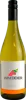
Domaine Du MarteletPouilly-Fuissé Terroirs
 White wine
This wine generally goes well with vegetarian, cured meat or pasta.

Food and wine pairings with Pouilly-Fuissé Terroirs
Pairings that work perfectly with Pouilly-Fuissé Terroirs



Original food and wine pairings with Pouilly-Fuissé Terroirs
The Pouilly-Fuissé Terroirs of Domaine Du Martelet matches generally quite well with dishes of pasta, vegetarian or cured meat such as recipes of chinese soy and chicken noodles (wok style), quiche without eggs or paupiettes of veal.
Details and technical informations about Domaine Du Martelet's Pouilly-Fuissé Terroirs.
Discover the grape variety: Merzling
Aromatic, fresh whites with a pale golden robe, a supple palate and preserved acidity, with signature aromas of exotic fruits (pineapple, mango), white flowers (elderflower, acacia), citrus and muscat notes. Modern profile, best drunk young. Disease-resistant hybrid grape, a driver of organic viticulture in central Europe and parent of Bronner. German white hybrid created in 1960 in Freiburg (Seyve-Villard × (Riesling × Pinot Gris)).
Informations about the Domaine Du Martelet
The Domaine Du Martelet is one of of the world's greatest estates. It offers 5 wines for sale in the of Pouilly-Fuissé to come and discover on site or to buy online.

The wine region of Pouilly-Fuissé
Emblematic great white of the Mâconnais (southern Burgundy): signature Chardonnay reigns exclusively in whites — pale to green-gold with emerald glints, round and fleshy with citrus (lemon, grapefruit, pineapple), peach, almond, hazelnut, breadcrumb, brioche, honey and a flinty mineral touch, a richness-freshness balance without excess nervousness. AOC (1936), 758 ha across 4 villages (Vergisson, Solutré, Fuissé, Chaintré) below the eponymous rocks, clays and limestones.
The wine region of Burgundy
Absolute reference for great terroir wines: opulent, mineral Chardonnay in whites (chiselled Chablis, buttery Meursault, majestic Montrachet), fine and silky Pinot Noir in reds (full-bodied Gevrey, structured Pommard, delicate Volnay). Exceptional age-worthy wines with complex notes - red fruits, undergrowth, butter, hazelnut. Some lively Aligoté and light Gamay (Mâconnais). 29,500 ha, 84 tiered AOCs (Régionale, Village, 1er Cru, Grand Cru), 1,247 UNESCO Climats.
The word of the wine: Brut nature (or ultra brut)
A type of champagne that has not received any dosage liqueur.