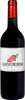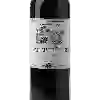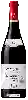
Domaine du Coteau de VallièresGrand Jean Morgon
 Red wine
In the mouth this red wine is a with a nice freshness.
This wine generally goes well with pork, poultry or veal.
Taste structure of the Grand Jean Morgon from the Domaine du Coteau de Vallières
Light | Bold | |
Smooth | Tannic | |
Dry | Sweet | |
Soft | Acidic |
In the mouth the Grand Jean Morgon of Domaine du Coteau de Vallières in the region of Beaujolais is a with a nice freshness.
Food and wine pairings with Grand Jean Morgon
Pairings that work perfectly with Grand Jean Morgon



Original food and wine pairings with Grand Jean Morgon

The Grand Jean Morgon of Domaine du Coteau de Vallières matches generally quite well with dishes of pasta, veal or pork such as recipes of chicken lasagna, veal saltimbocca or english breakfast.
Details and technical informations about Domaine du Coteau de Vallières's Grand Jean Morgon.
Discover the grape variety: Marquette
Direct producer hybrid, interspecific cross between MN 1094 and Ravat noir obtained in 1989 by Peter Hemstad and James Luby at the University of Minnesota Research Center (United States). Note that it is the cousin of the black frontenac and the grandson of the pinot noir. It can be found in North America, Canada, ... in France it is almost unknown.
Informations about the Domaine du Coteau de Vallières
The Domaine du Coteau de Vallières is one of of the world's greatest estates. It offers 8 wines for sale in the of Beaujolais to come and discover on site or to buy online.

The wine region of Beaujolais
Beaujolais is an important wine region in eastern France, famous for its vibrant, Fruity red wines made from Gamay. It is located immediately South of Burgundy, of which it is sometimes considered a Part, although it is in the administrative region of Rhône. The extensive plantings of Gamay in this region make Beaujolais one of the few regions in the world that is so concentrated on a single Grape variety. Pinot Noir is used in small quantities in red and rosé wines, but in the name of regional identity, it is being phased out and will only be allowed until the 2015 harvest.
The word of the wine: Oxidation
Alteration of the wine caused by prolonged contact with oxygen and resulting in a coppery colour with brown reflections and the appearance of typical aromas reminiscent of rancid nuts.