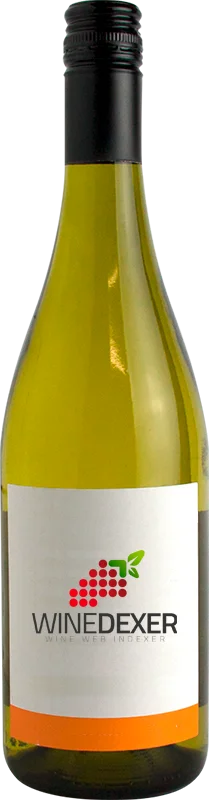
Domaine des Côtes de la MolièreMâcon-Loché
 White wine
This wine generally goes well with vegetarian, cured meat or pasta.

Food and wine pairings with Mâcon-Loché
Pairings that work perfectly with Mâcon-Loché



Original food and wine pairings with Mâcon-Loché
The Mâcon-Loché of Domaine des Côtes de la Molière matches generally quite well with dishes of pasta, vegetarian or cured meat such as recipes of chicken and mushroom risotto, nanie's diced ham quiche or homemade marengo veal.
Details and technical informations about Domaine des Côtes de la Molière's Mâcon-Loché.
Discover the grape variety: Chardonnay
Whites with many faces: mineral and taut at Chablis (lemon, green apple, flint), opulent and buttery at Meursault and Puligny-Montrachet (hazelnut, brioche, yellow fruits), tense and chalky in Champagne (Blanc de Blancs). Also vinified sparkling and widely exported (Sonoma, Margaret River, Casablanca). A Burgundian variety, a cross of Pinot Noir × Gouais Blanc, half-sibling of Aligoté.
Informations about the Domaine des Côtes de la Molière
The Domaine des Côtes de la Molière is one of of the world's great estates. It offers 33 wines for sale in the of Mâcon-Loché to come and discover on site or to buy online.

The wine region of Mâcon-Loché
Mâcon geographic designation (2005) on Loché just south of Mâcon, bordering Pouilly-Loché: 100% Chardonnay whites. Vines climbing gentle slopes at 190–220 m above the Saône plain – profiles ranging from silky opulence to mineral vivacity depending on the climat. Jurassic Bathonian clay-limestone soils. Ceiling yield 66 hl/ha (10% higher than Pouilly-Loché at 60 hl/ha).
The wine region of Burgundy
Absolute reference for great terroir wines: opulent, mineral Chardonnay in whites (chiselled Chablis, buttery Meursault, majestic Montrachet), fine and silky Pinot Noir in reds (full-bodied Gevrey, structured Pommard, delicate Volnay). Exceptional age-worthy wines with complex notes - red fruits, undergrowth, butter, hazelnut. Some lively Aligoté and light Gamay (Mâconnais). 29,500 ha, 84 tiered AOCs (Régionale, Village, 1er Cru, Grand Cru), 1,247 UNESCO Climats.
The word of the wine: Bleeding
Old practice for red wines. As soon as the vat is filled with grapes, the tap is opened. A sweet but clear juice escapes from the vat (it can also be used to make rosé). The colour and density of the juice is enhanced, but it should not be overdone. Rarely more than 10% of the volume of a vat, otherwise you risk losing fruit and bringing in bitterness.