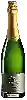
Domaine de PeyretBlanquette de Limoux Brut
 Sparkling wine
This wine generally goes well with

Details and technical informations about Domaine de Peyret's Blanquette de Limoux Brut.
Discover the grape variety: Tinto Fino
Structured, elegant reds with a deep, dark ruby color, firm, fine tannins and a dense palate, offering intense aromas of black fruits (blackberry, blackcurrant, plum), black cherry, tobacco, leather, spices and balsamic notes. Fine cellaring potential, excelling in American and French oak ageing. Star of Ribera del Duero DO (Vega Sicilia, Pingus, Pesquera) on the Castilian high plateaux. Synonym for tempranillo in Ribera del Duero.
Informations about the Domaine de Peyret
The Domaine de Peyret is one of wineries to follow in Blanquette de Limoux.. It offers 4 wines for sale in the of Blanquette de Limoux to come and discover on site or to buy online.

The wine region of Blanquette de Limoux
France's first sparkling AOC (1938, predating Champagne): Mauzac signature sparkling white king (≥90%, 'blanquette' for white down on leaf underside) complemented by Chenin and Chardonnay — traditional or ancestral method (bottling March descending moon, 100% Mauzac) signatures, light profile with very fine bubbles and typical green apple and pear notes, delicate sweetness. Mediterranean influences and Pyrenean freshness, slow ripening.
The wine region of Languedoc-Roussillon
Largest single French vineyard, dominated by sunny, generous reds. Spicy Syrah, candied Grenache (ripe fruit, garrigue), structured Carignan, deep Mourvèdre, supple Cinsault. Stars: structured Corbières, Minervois, Faugères, Saint-Chinian; round Côtes-du-Roussillon. Legendary vins doux naturels: Banyuls and Maury (fortified Grenache) with notes of cocoa, fig, prune.
The word of the wine: Wooded
A set of aromas brought about by ageing in barrels (usually oak). This can be pleasant when, in small doses, it brings a touch of spice, roast or vanilla to an already constructed ensemble. When the violent woodiness dominates the wine, it is quickly tiring. Easily identifiable aromatically, it is sought after (to the point of abuse) by the makers of coarse wines. New World manufacturers and, alas, some French winemakers use oak chips to impart the woody taste, which is tantamount to artificial flavoring.