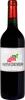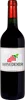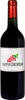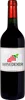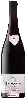
Domaine de la VerpillèreVieilles Vignes Moulin-à-Vent
 wine
wine
This wine generally goes well with
The Vieilles Vignes Moulin-à-Vent of the Domaine de la Verpillère is in the top 0 of wines of Moulin-à-Vent.
Details and technical informations about Domaine de la Verpillère's Vieilles Vignes Moulin-à-Vent.
Discover the grape variety: Galotta
Intraspecific cross between ancellotta and gamay à jus blanc obtained in 1981 at the Agroscope Research Station in Pully (Switzerland).
Informations about the Domaine de la Verpillère
The Domaine de la Verpillère is one of of the world's greatest estates. It offers 6 wines for sale in the of Moulin-à-Vent to come and discover on site or to buy online.

The wine region of Moulin-à-Vent
Moulin-a-Vent is arguably the most remarkable of the ten Beaujolais crus, located in the far North of the Beaujolais region. Moulin-a-Vent wines, made from the Gamay Grape, are known to be among the most concentrated and Tannic of the Beaujolais, a far cry from the light and simple wines of Beaujolais Nouveau. Floral">floral and Fruity in their youth, these wines often develop Spicy and earthy characteristics as they age. The Moulin-a-Vent Vineyards stretch across the Rhône and Saône et Loire departments, on the west bank of the Saône.
The wine region of Beaujolais
Beaujolais is an important wine region in eastern France, famous for its vibrant, Fruity red wines made from Gamay. It is located immediately South of Burgundy, of which it is sometimes considered a Part, although it is in the administrative region of Rhône. The extensive plantings of Gamay in this region make Beaujolais one of the few regions in the world that is so concentrated on a single Grape variety. Pinot Noir is used in small quantities in red and rosé wines, but in the name of regional identity, it is being phased out and will only be allowed until the 2015 harvest.
The word of the wine: Chaptalization
The addition of sugar at the time of fermentation of the must, an ancient practice, but theorized by Jean-Antoine Chaptal at the dawn of the 19th century. The sugar is transformed into alcohol and allows the natural degree of the wine to be raised in a weak or cold year, or - more questionably - when the winegrower has a harvest that is too large to obtain good maturity.