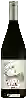
Domaine de la TuqueVieilles Vignes
 Red wine


This wine generally goes well with
The Vieilles Vignes of the Domaine de la Tuque is in the top 10 of wines of Perigord.

Details and technical informations about Domaine de la Tuque's Vieilles Vignes.
Discover the grape variety: Bianca
Lively, fresh dry whites with a pale golden hue, a supple palate and preserved acidity, with simple aromas of citrus, green apple, pear, white flowers and light muscat hints. Refreshing, drink young. Disease-resistant interspecific variety, a locomotive of northern organic vineyards: Hungary, Austria, Italy, Serbia and the United States. Hungarian hybrid created in 1963 (Eger 2 × Bouvier), signature of central European organic wines.
Last vintages of this wine
The best vintages of Vieilles Vignes from Domaine de la Tuque are 2016
Informations about the Domaine de la Tuque
The Domaine de la Tuque is one of of the world's greatest estates. It offers 8 wines for sale in the of Perigord to come and discover on site or to buy online.

The wine region of Perigord
Dordogne IGP in Nouvelle-Aquitaine (vast around Bergerac and Domme along the valley): Merlot, Cabernet Sauvignon, Cabernet Franc and Côt (Malbec) signatures in red and rosé kings — signature fine structure with ripe fruit aromas, suppleness and velvet drawn from varietal complementarity, sometimes slightly grainy tannins characteristic. Signature limestone, clay and sand soils, tempered oceanic climate with continental influences, optimal ripening.
The wine region of Atlantique
Nouvelle-Aquitaine regional IGP covering the Bordeaux area outside AOC (Gironde, Charentes, Dordogne, northern Lot-et-Garonne). Vast palette for gourmet everyday wines. Supple fruity Merlot reds (plum, cherry, blackberry), firm Cabernet Sauvignon (blackcurrant, cedar), peppery Cabernet Franc, light Gamay. Lively Sauvignon whites (citrus, boxwood), round Chardonnay, tense Chenin, fresh Colombard.
The word of the wine: Passerillage
Concentration of the grape by drying out, under the influence of wind or sun, as opposed to botrytisation, which is the concentration obtained by the development of the "noble rot" for which Botrytis cinerea is responsible. The word is mainly used for sweet wines.