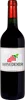
Domaine Carle CourtyEclat de Schiste Rivesaltes Grenat
 Sweet wine
This wine generally goes well with

Details and technical informations about Domaine Carle Courty's Eclat de Schiste Rivesaltes Grenat.
Discover the grape variety: Gros Colman
Table grape with long clusters and spherical blue-black berries with thick skin and juicy flesh, with a pleasant sweet taste. Late-ripening. Very rarely vinified. Father of the Alphonse Lavallée. Now marginal in commercial cultivation, it survives in a few amateur gardens and ampelographic collections for its heritage value and genetic interest. French black table grape variety, grown for fresh consumption in the 19th century.
Informations about the Domaine Carle Courty
The Domaine Carle Courty is one of of the world's greatest estates. It offers 16 wines for sale in the of Rivesaltes to come and discover on site or to buy online.

The wine region of Rivesaltes
Great Roussillon appellation for Vins Doux Naturels, ~5,200 ha across Pyrénées-Orientales and Aude. Mutage with neutral spirit halts fermentation. 4 signature styles: Grenat on black Grenache with intense notes of candied cherry, kirsch and cocoa; oxidative Tuilé with prune, coffee, walnut and caramel; Ambré (white Grenache) with honey, candied orange, dried fruits; fruity Rosé strawberry. Exceptional ageing (10-50 years).
The wine region of Languedoc-Roussillon
Largest single French vineyard, dominated by sunny, generous reds. Spicy Syrah, candied Grenache (ripe fruit, garrigue), structured Carignan, deep Mourvèdre, supple Cinsault. Stars: structured Corbières, Minervois, Faugères, Saint-Chinian; round Côtes-du-Roussillon. Legendary vins doux naturels: Banyuls and Maury (fortified Grenache) with notes of cocoa, fig, prune.
The word of the wine: Second fermentation
In the making of champagne, fermentation of the base wine to which is added the liqueur de tirage and which takes place in the bottle. This second fermentation produces the carbon dioxide, and therefore the bubbles that make up the effervescence of the wine.