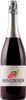
Winery Dirk KesslerCuvée Barrique Blanc Brut
 wine
wine
This wine generally goes well with
The Cuvée Barrique Blanc Brut of the Winery Dirk Kessler is in the top 0 of wines of Wintrich.
Details and technical informations about Winery Dirk Kessler's Cuvée Barrique Blanc Brut.
Discover the grape variety: Centennial seedless
Cross between gold and Q25-6 (F2 emperor x Pirovano 75 or sultana moscata) obtained in the United States in 1966 by Professor Harold P. Olmo of the University of Davis (California). At the end of 2005, Centennial seedless was registered in the Official Catalogue of table grape varieties, list A1.
Informations about the Winery Dirk Kessler
The Winery Dirk Kessler is one of of the world's great estates. It offers 12 wines for sale in the of Wintrich to come and discover on site or to buy online.

The wine region of Wintrich
The wine region of Wintrich is located in the region of Mosel of Germany. Wineries and vineyards like the Domaine Günther Steinmetz or the Domaine Günther Steinmetz produce mainly wines white, sweet and sparkling. The most planted grape varieties in the region of Wintrich are Riesling, they are then used in wines in blends or as a single variety. On the nose of Wintrich often reveals types of flavors of non oak, earth or oak and sometimes also flavors of spices, citrus fruit or microbio.
The wine region of Mosel
Mosel is the most famous of Germany's 13 official wine regions, and also the third largest in terms of production. As with many German regions, it is most aasociated with a range of wine styles made from the Riesling grape variety, but Müller-Thurgau is also widely planted. The best Mosel Riesling wines are some of the finest whites in the world. Light and low in Alcohol, they can be intensely fragrant with beguiling Floral">floral and Mineral notes, and a wonderful Balance of sweetness and Acidity.
The word of the wine: Malolactic fermentation
Called second fermentation or malo for short. It is the degradation (under the effect of bacteria) of the malic acid naturally present in the wine into milder, less aggressive lactic acid. Some producers or wineries refuse this operation by "blocking the malo" (by cold and adding SO2) to keep a maximum of acidity which carries the aromas and accentuates the sensation of freshness.