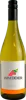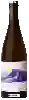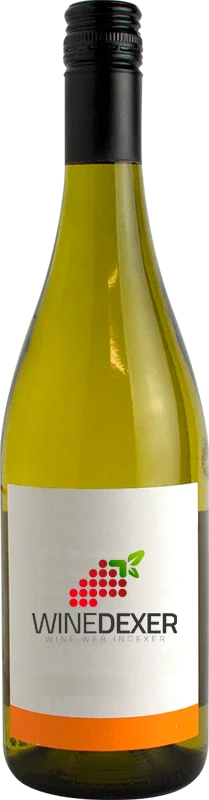
Winery Denis GoffinDouce Coteaux du Layon
 White wine
This wine generally goes well with

Details and technical informations about Winery Denis Goffin's Douce Coteaux du Layon.
Discover the grape variety: Cabernet-Severnyi
Deep-coloured, fruity reds with a dark ruby colour, moderate tannins and a direct palate; signature aromas of red fruits (cherry, raspberry), gentle spices and herbal notes typical of disease-resistant hybrids. Early-ripening northern profile. Grown in Russia, Ukraine and Eastern Europe in extreme continental vineyards. Russian black hybrid obtained in 1959, involving Cabernet Sauvignon.
Informations about the Winery Denis Goffin
The Winery Denis Goffin is one of of the world's greatest estates. It offers 2 wines for sale in the of Côteaux du Layon to come and discover on site or to buy online.

The wine region of Côteaux du Layon
Loire cradle of Anjou's great sweet wines (left bank of the Layon): signature Chenin Blanc as exclusive white king — off-dry to botrytised sweet with notes of quince, apricot, candied pineapple, mango, honey, beeswax, dried fruits and a saffron touch, chiselled acidity balancing the sugar, exceptional ageing (20-50 years). "Sélection de Grains Nobles" mention at the summit. AOC (1950), ~1,400 ha across 27 villages, slaty schists, Layon mists favouring Botrytis cinerea.
The wine region of Loire Valley
Kingdom of lively, dry whites and fine sparklers. Mineral, taut Sauvignon Blanc (Sancerre, Pouilly-Fumé) with citrus and gunflint notes. Multiform Chenin Blanc (Vouvray, Savennières, Layon): straight dry, floral off-dry or noble sweet honey-quince. Saline, iodised Muscadet (Melon B.
The word of the wine: Muscat blanc à petits grains
A white grape variety cultivated since antiquity on the shores of the Mediterranean, it is considered the noblest of the muscats. It is mainly used to make sweet wines, often from mutage. In France, it is the sole variety used in many natural sweet wines: muscat-de-frontignan, muscat-de-mireval, muscat-de-lunel, muscat-de-saint-jean-de-minervois, muscat-de-beaumes-de-venise, muscat-du-cap-corse. Combined with Muscat d'Alexandrie, it gives Muscat-de-Rivesaltes. It is also used to make sparkling white wines (clairette-de-die; moscato d'asti and asti spumante in Italy) and dry wines (alsace-muscat). Powerfully aromatic and complex, its wines evoke fresh grapes, roses, exotic fruits, citrus fruits and spices.