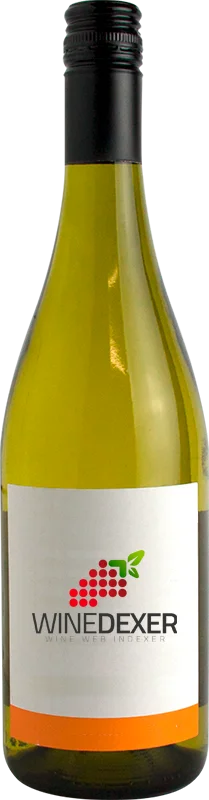
Winery Del ReiBranco Seco Niágara
 White wine



This wine generally goes well with
Details and technical informations about Winery Del Rei's Branco Seco Niágara.
Discover the grape variety: Neheleschol
A very ancient table grape, it is mentioned in the Bible. Luigi and Alberto Pirovano of Vaprio d'Adda used it in many of their crosses. - Synonyms: neg(u)elescol, giant of Palestine, white grape of Jerusalem, eparce or eparse, yellow olivette with small berries, grape of Jericho (for all the synonyms of the grape varieties, click here!)
Last vintages of this wine
The best vintages of Branco Seco Niágara from Winery Del Rei are 0
Informations about the Winery Del Rei
The Winery Del Rei is one of of the world's greatest estates. It offers 15 wines for sale in the of Serra Gaúcha to come and discover on site or to buy online.

The wine region of Serra Gaúcha
Serra Gaúcha is a Brazilian wine region in the Southern state of Rio Grande do Sul, where Brazil meets Uruguay. Its name is apt: the landscape here is characterized by low mountain ranges (serras) and populated by gaúchos, the cowboys of the Brazilian Pampas. Small landholdings of just a few hectares are the norm in Serra Gacúha, which makes co-operative winemaking almost a necessity. The cost of buying and maintaining winemaking equipment is considerable, so local vignerons pool their resources and invest in shared, co-operative wineries.
The wine region of Rio Grande do Sul
Rio Grande do Sul is Brazil's most prolific wine-producing state. It is located in the very South of the country along the Uruguayan and Argentinian borders. The wine regions of Serra Gaucha, Campanha and Vale do Vinhedos can be found in this Part of the country. Soft, light red wines from a range of varieties such as Pinot Noir, Cabernet Sauvignon and Tannat are made here.
The word of the wine: Free-run wine
The free-run wine is the wine that flows out of the vat by gravity at the time of running off. The marc soaked in wine is then pressed to extract a rich and tannic wine. Free-run wine and press wine are then aged separately and eventually blended by the winemaker in proportions defined according to the type of wine being made.