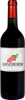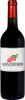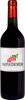
Winery Defayes et CrettenandParchet No. 1300 Leytron
 Red wine



This wine generally goes well with

Details and technical informations about Winery Defayes et Crettenand's Parchet No. 1300 Leytron.
Discover the grape variety: Moscatel Galego
Expressive aromatic whites in dry, sweet and fortified styles, with a pale golden to amber colour depending on vinification, a full, perfumed palate, showing intense muscat aromas (rose, fresh grape), white flowers (orange blossom), white-fleshed fruits and citrus. Also in round, confit sweet wines with honey and dried fruits. Pillar of Moscatel do Douro and the great Iberian muscats. Portuguese synonym for Muscat à Petits Grains.
Last vintages of this wine
The best vintages of Parchet No. 1300 Leytron from Winery Defayes et Crettenand are 0
Informations about the Winery Defayes et Crettenand
The Winery Defayes et Crettenand is one of of the world's great estates. It offers 14 wines for sale in the of Leytron to come and discover on site or to buy online.

The wine region of Leytron
Swiss commune in Lower Valais (~269 ha), limestone and morainic slopes at the foot of the Alps. Humagne Blanche is the flagship native white (Leytron claims its cradle, celebrated in November): ample with notes of linden, cut hay, citrus, peach, honey and a mineral touch, fresh acidity and length. Saline Petite Arvine and floral Fendant as complements. Supple Pinot Noir and Gamay, spicy native Cornalin and Humagne Rouge in the reds.
The wine region of Valais
Switzerland's largest vineyard, capital of native grapes. Straight, precise alpine whites: light, floral Chasselas (Fendant), signature Petite Arvine with saline, grapefruit and rhubarb notes, rich, apricoty Amigne, mineral Humagne Blanche. Altitude reds: fine Pinot Noir, crisp Gamay, native Cornalin and Humagne Rouge, spicy and deep. Highly precise alpine age-worthy wines.
The word of the wine: Solera
A method of maturing practiced in Andalusia for certain sherries, which aims to continuously blend older and younger wines. It consists of stacking several layers of barrels; those located at ground level (solera) contain the oldest wines, the youngest being stored in the barrels on the upper level. The wine to be bottled is taken from the barrels on the lower level, which is replaced by younger wine from the upper level, and so on.