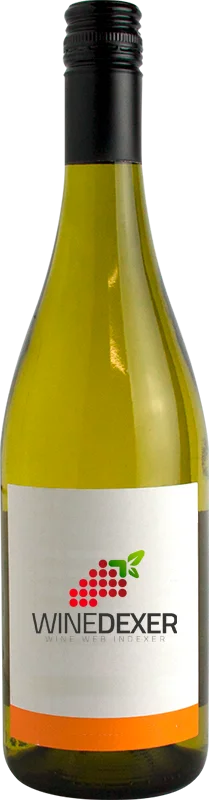
Weingut MeßmerScheurebe
 White wine


This wine generally goes well with
Wine flavors and olphactive analysis

On the nose the Scheurebe of Weingut Meßmer in the region of Pfalz often reveals types of flavors of earth, tree fruit or citrus fruit.
Details and technical informations about Weingut Meßmer's Scheurebe.
Discover the grape variety: Scheurebe
German grape variety obtained in 1916 by Georg Shere (1879/1949). It was given until then as coming from a cross between Riesling and Sylvaner, but genetic tests have shown that its father is the Bouquettraube (Bukettrebe), and it is closely related to the Kerner. The Scheurebe can be found in Austria, Germany, Belgium, Switzerland, the Netherlands, Italy, Slovenia, Great Britain, the United States (California, Virginia, ...), Canada (Ontario, British Columbia, ...), ... practically unknown in France.
Last vintages of this wine
The best vintages of Scheurebe from Weingut Meßmer are 0
Informations about the Weingut Meßmer
The Weingut Meßmer is one of of the world's great estates. It offers 75 wines for sale in the of Pfalz to come and discover on site or to buy online.

The wine region of Pfalz
Fleshy, dry, fruity Riesling is the region's signature: yellow peach, apricot, ripe citrus, lovely mineral tension. Germany's largest red-wine area (40%), with silky Spätburgunder showing red fruit and spice, darker structured Dornfelder, supple Portugieser. Some rounded Pinot Blanc and Pinot Gris. A 23,640 ha vineyard along the Haardt, among Germany's warmest (>2,000 h of sun).
The word of the wine: Sulphiting
Introduction of a sulphurous solution into a must or wine to protect it from accidents or diseases, or to select the ferments.