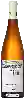
Winery G.H. MummAssmannshäuser Spätburgunder Weissherbst Taunushügel Trocken
 Pink wine



This wine generally goes well with vegetarian

Food and wine pairings with Assmannshäuser Spätburgunder Weissherbst Taunushügel Trocken
Pairings that work perfectly with Assmannshäuser Spätburgunder Weissherbst Taunushügel Trocken

Original food and wine pairings with Assmannshäuser Spätburgunder Weissherbst Taunushügel Trocken
The Assmannshäuser Spätburgunder Weissherbst Taunushügel Trocken of Winery G.H. Mumm matches generally quite well with dishes of vegetarian such as recipes of quiche with leeks and fresh salmon from flo.
Details and technical informations about Winery G.H. Mumm's Assmannshäuser Spätburgunder Weissherbst Taunushügel Trocken.
Discover the grape variety: Merlot khorus
Modern, coloured and structured reds with a sustained purple robe, rounded tannins, an ample palate and preserved acidity; aromas of dark fruits (blackberry, plum) close to Bordeaux Merlot. Productive and resistant. Cultivated in small quantities for sustainably managed vineyards, part of the new generation of mildew- and powdery-mildew-resistant grapes. Recent French black hybrid variety.
Last vintages of this wine
The best vintages of Assmannshäuser Spätburgunder Weissherbst Taunushügel Trocken from Winery G.H. Mumm are 0
Informations about the Winery G.H. Mumm
The Winery G.H. Mumm is one of of the world's great estates. It offers 51 wines for sale in the of Rheingau to come and discover on site or to buy online.

The wine region of Rheingau
Historic cradle of great German Riesling: age-worthy whites of rare precision, from taut dry (Trocken) to botrytised sweet (Auslese, Beerenauslese, TBA) with notes of peach, citrus, acacia honey, noble petrol and slatey minerality. Riesling king on ~80% of the vineyard. Also Spätburgunder (Pinot Noir, 8%), notably the fine, silky Assmannshausen. 3,100 ha on south-facing slopes overlooking the Rhine (Hesse).
The word of the wine: Mouth
The mouth is the third stage of wine tasting after the eye and nose. In the mouth, the taster identifies the aromas through the retronasal route, the flavours and the texture. It is in the mouth that the overall balance of the wine is apprehended.