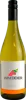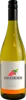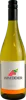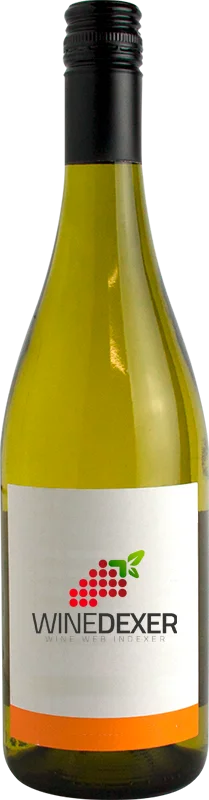
Winery Genheimer KiltzGrauer Burgunder Trocken
 White wine
In the mouth this white wine is a .
This wine generally goes well with pork, cured meat or mushrooms.

Taste structure of the Grauer Burgunder Trocken from the Winery Genheimer Kiltz
Light | Bold | |
Dry | Sweet | |
Soft | Acidic |
In the mouth the Grauer Burgunder Trocken of Winery Genheimer Kiltz in the region of Nahe is a .
Food and wine pairings with Grauer Burgunder Trocken
Pairings that work perfectly with Grauer Burgunder Trocken


Original food and wine pairings with Grauer Burgunder Trocken

The Grauer Burgunder Trocken of Winery Genheimer Kiltz matches generally quite well with dishes of pork, spicy food or mushrooms such as recipes of pork stew with bacon and cream, pizza with peppers and spicy chicken or porcini omelette.
Details and technical informations about Winery Genheimer Kiltz's Grauer Burgunder Trocken.
Discover the grape variety: Ribolla gialla
Lively, taut whites with firm acidity and a slender mouth, featuring aromas of citrus, green apple, white flowers, fresh herbs and chalky mineral notes. Often vinified with skin maceration (orange wine), developing amber hues of dried fruits, honey, tannins and oxidative complexity. Signature of great Friulian whites (Collio DOC, Colli Orientali del Friuli DOC) and Slovenia under the name Rebula (Brda). Native Friulian grape.
Informations about the Winery Genheimer Kiltz
The Winery Genheimer Kiltz is one of of the world's great estates. It offers 33 wines for sale in the of Nahe to come and discover on site or to buy online.

The wine region of Nahe
Homeland of a mineral Riesling of exceptional geological expression: lively, precise whites with notes of peach, citrus, green apple, gunflint and fine salinity, from taut dry to botrytised sweet. 75% whites, Riesling king (27%) complemented by round Pinot Gris and supple Pinot Blanc. Rising reds: silky Spätburgunder with red fruit, darker Dornfelder. 4,240 ha along the Nahe river, among the most diverse soils in Germany (180 formations).
The word of the wine: Oenologist
Specialist in wine-making techniques. It is a profession and not a passion: one can be an oenophile without being an oenologist (and the opposite too!). Formerly attached to the Faculty of Pharmacy, oenology studies have become independent and have their own university course. Learning to make wine requires a good chemical background but also, increasingly, a good knowledge of the plant. Some oenologists work in laboratories (analysis). Others, the consulting oenologists, work directly in the properties.