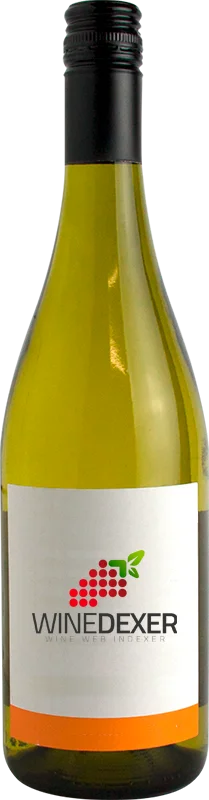
Winery Genheimer KiltzGrauer Burgunder Terrassenkies
 White wine



In the mouth this white wine is a .
This wine generally goes well with pork, cured meat or mushrooms.

Taste structure of the Grauer Burgunder Terrassenkies from the Winery Genheimer Kiltz
Light | Bold | |
Dry | Sweet | |
Soft | Acidic |
In the mouth the Grauer Burgunder Terrassenkies of Winery Genheimer Kiltz in the region of Nahe is a .
Food and wine pairings with Grauer Burgunder Terrassenkies
Pairings that work perfectly with Grauer Burgunder Terrassenkies


Original food and wine pairings with Grauer Burgunder Terrassenkies

The Grauer Burgunder Terrassenkies of Winery Genheimer Kiltz matches generally quite well with dishes of pork, spicy food or mushrooms such as recipes of gratin of coquillettes with ham, genuine chicken tagine olive and lemon confit tagine with argan oil or roast veal in the oven.
Details and technical informations about Winery Genheimer Kiltz's Grauer Burgunder Terrassenkies.
Discover the grape variety: Mondeuse blanche
Lively, structured dry whites with a pale golden hue, a lean palate and sharp alpine acidity, with delicate notes of citrus (lemon, grapefruit), green apple, white flowers, fresh herbs and calcareous minerals. Very rare, preserved for its genetic value: biological mother of syrah (crossed with dureza from Ardèche). Grown on a few heritage plots in Savoie under Vin de Savoie AOC. Exceptional native Savoie variety.
Last vintages of this wine
The best vintages of Grauer Burgunder Terrassenkies from Winery Genheimer Kiltz are 2018, 0
Informations about the Winery Genheimer Kiltz
The Winery Genheimer Kiltz is one of of the world's greatest estates. It offers 33 wines for sale in the of Nahe to come and discover on site or to buy online.

The wine region of Nahe
Homeland of a mineral Riesling of exceptional geological expression: lively, precise whites with notes of peach, citrus, green apple, gunflint and fine salinity, from taut dry to botrytised sweet. 75% whites, Riesling king (27%) complemented by round Pinot Gris and supple Pinot Blanc. Rising reds: silky Spätburgunder with red fruit, darker Dornfelder. 4,240 ha along the Nahe river, among the most diverse soils in Germany (180 formations).
The word of the wine: Breton
See cabernet franc.