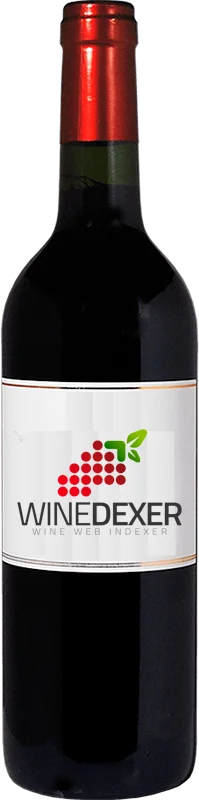
Winery De Blas SerranoPhylos Joven
 wine
wine
This wine generally goes well with
The Phylos Joven of the Winery De Blas Serrano is in the top 0 of wines of Ribera del Duero.
Details and technical informations about Winery De Blas Serrano's Phylos Joven.
Discover the grape variety: Verjus
A very old grape variety, probably of southern origin, which was once found in many French regions including Picardy, it once abounded in the Seine basin and Burgundy, generally grown on trellises, arbors, against walls, etc. A very beautiful stump is now found climbing along the walls of the Reims Sciences Po Campus (Marne), given as being over 300 years old. It was also known in Italy, Germany, ... and well before the phylloxera crisis and because of its great vigour, it was customary to graft on "Verjus" varieties that lacked it. Today, it is on the verge of extinction, but it can be found among a few amateur gardeners who sometimes use it as an ornamental vine. Note that it has never been used as a wine grape because its wine is frankly bad.
Informations about the Winery De Blas Serrano
The Winery De Blas Serrano is one of of the world's greatest estates. It offers 5 wines for sale in the of Ribera del Duero to come and discover on site or to buy online.

The wine region of Ribera del Duero
The wine region of Ribera del Duero is located in the region of Castille-et-Léon of Spain. Wineries and vineyards like the Domaine Vega Sicilia or the Domaine Vega Sicilia produce mainly wines red. The most planted grape varieties in the region of Ribera del Duero are Tempranillo, Cabernet-Sauvignon and Merlot, they are then used in wines in blends or as a single variety. On the nose of Ribera del Duero often reveals types of flavors of cream, ripe blackberries or cigar box and sometimes also flavors of rosemary, baking spice or espresso.
The wine region of Castille-et-Léon
Located in the northern half of the Central Iberian plateau, Castilla y León is the largest of Spain's 17 administrative regions, covering about one-fifth of the country's total area. It extends about 350 kilometres (220 miles) from central Spain to the northern coast. Just as wide, it connects the Rioja wine region to the Portuguese border. Red wines reign supreme in Castilla y León, and the Tempranillo grape is undoubtedly the king.
The word of the wine: Second fermentation
In the making of champagne, fermentation of the base wine to which is added the liqueur de tirage and which takes place in the bottle. This second fermentation produces the carbon dioxide, and therefore the bubbles that make up the effervescence of the wine.