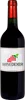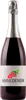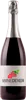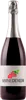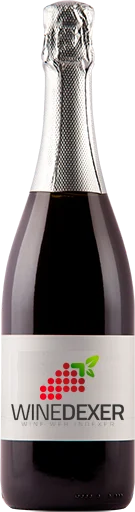
Winery DavoNature Rosé
 Sparkling wine



In the mouth this sparkling wine is a powerful with a nice freshness.
This wine generally goes well with pork, rich fish (salmon, tuna etc) or shellfish.

Taste structure of the Nature Rosé from the Winery Davo
Light | Bold | |
Soft | Acidic | |
Gentle | Fizzy |
In the mouth the Nature Rosé of Winery Davo in the region of Sao Paulo is a powerful with a nice freshness.
Food and wine pairings with Nature Rosé
Pairings that work perfectly with Nature Rosé



Original food and wine pairings with Nature Rosé
The Nature Rosé of Winery Davo matches generally quite well with dishes of pork, rich fish (salmon, tuna etc) or shellfish such as recipes of cassoulet of yesteryear, summer tuna quiche or oven-roasted breton lobster with salted butter from the jaguin brothers (the....
Details and technical informations about Winery Davo's Nature Rosé.
Discover the grape variety: Pinot noir
Elegant reds, light in colour with silky tannins, showing strawberry, cherry and raspberry aromas, evolving to forest floor, mushroom and spice with age. Fresh acidity, delicate finish. Star of the Côte d'Or (Romanée-Conti, Chambertin, Volnay), pillar of Champagne (Blanc de Noirs) and signature of Oregon, Central Otago and Sonoma Coast. An early-ripening Burgundian variety, one of the world's greatest.
Last vintages of this wine
The best vintages of Nature Rosé from Winery Davo are 0
Informations about the Winery Davo
The Winery Davo is one of of the world's greatest estates. It offers 5 wines for sale in the of Sao Paulo to come and discover on site or to buy online.

The wine region of Sao Paulo
Wine state of south-east Brazil, with its heart at São Roque ("Terra do Vinho") founded by Italian and Portuguese immigrants in the 18th c. Traditional-method sparkling as stars: fresh, lively bubblies with notes of green apple, citrus, white flowers and brioche, a fine bubble. Supple reds blending Bonarda, Barbera and fleshy Tannat, round tannins. Perfumed Muscat sweet wines (orange blossom, honey).
The word of the wine: Phenolic ripeness
A distinction is made between the ripeness of sugars and acids and the ripeness of tannins and other compounds such as anthocyanins and tannins, which will bring structure and colour. Grapes can be measured at 13° potential without having reached this phenolic maturity. Vinified at this stage, they will give hard, astringent wines, without charm.