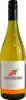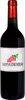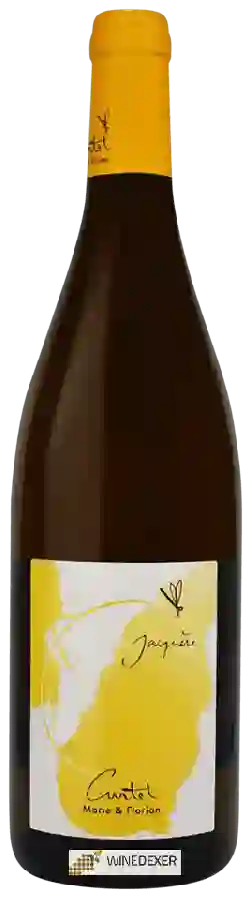
Winery CurtetJacquère
 White wine



This wine generally goes well with

Wine flavors and olphactive analysis

On the nose the Jacquère of Winery Curtet in the region of Savoie often reveals types of flavors of pear, tree fruit.
Details and technical informations about Winery Curtet's Jacquère.
Discover the grape variety: Jacquère
Lively and thirst-quenching whites with a pale colour, a lean palate and brisk acidity, on delicate aromas of white flowers (hawthorn), citrus, green apple, fresh almond and characteristic alpine mineral notes of flint. Light finish, best drunk young. The absolute star of Vin de Savoie AOC crus (Apremont, Abymes, Chignin, Cruet) on the limestone scree of Mont Granier. Native Savoyard variety, the most planted in the French alpine vineyards.
Last vintages of this wine
The best vintages of Jacquère from Winery Curtet are 2016
Informations about the Winery Curtet
The Winery Curtet is one of of the world's greatest estates. It offers 12 wines for sale in the of Savoie to come and discover on site or to buy online.

The wine region of Savoie
French Alpine vineyard with unique native grapes. Signature Jacquère in whites (~50% of the vineyard): lively, light dry wines with white flowers, green apple, citrus, fresh almond and a mineral touch, perfect with fondue and raclette. Ampler Altesse (Roussette) (pear, honey, hazelnut). Fruity, peppery Mondeuse reds (cherry, violet, firm tannins), light Gamay and fine Pinot Noir.
The word of the wine: Deposit
Solid particles that can naturally coat the bottom of a bottle of wine. It is rather a guarantee that the wine has not been mistreated: in fact, to avoid the natural deposit, rather violent processes of filtration or cold passage (- 7 or - 8 °C) are used in order to precipitate the tartar (the small white crystals that some people confuse with crystallized sugar: just taste to dissuade you from it)