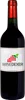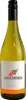
Winery Creta ViniferaEnthusia Assyrtiko
 wine
wine
This wine generally goes well with
The Enthusia Assyrtiko of the Winery Creta Vinifera is in the top 0 of wines of Crete.

Details and technical informations about Winery Creta Vinifera's Enthusia Assyrtiko.
Discover the grape variety: Dindarella
Light, delicate reds with a pale ruby robe, soft tannins and an airy palate, with signature aromas of cherry, violet, strawberry and floral notes. Elegant, fruity profile. Traditionally blended in small proportions in Valpolicella DOC, today sometimes vinified as a single variety in IGT Veneto for artisan cuvées. Autochthonous black variety from the Veneto, grown in the Valpolicella region.
Informations about the Winery Creta Vinifera
The Winery Creta Vinifera is one of of the world's great estates. It offers 11 wines for sale in the of Crete to come and discover on site or to buy online.

The wine region of Crete
Largest Greek island and 2nd national wine region, millennia-old Minoan heritage. Signature native Vidiano in whites, rediscovered jewel: ample, expressive with signature apricot, yellow peach, white flowers, honey, tropical fruit and a mineral touch, round and long palate. Also fresh lemony Vilana, rare Plyto and Thrapsathiri. Liatiko reds (most planted) supple with cherry, dried herbs and spice; fruity Kotsifali, tannic Mandilari.
The word of the wine: Sulphiting
Introduction of a sulphurous solution into a must or wine to protect it from accidents or diseases, or to select the ferments.