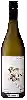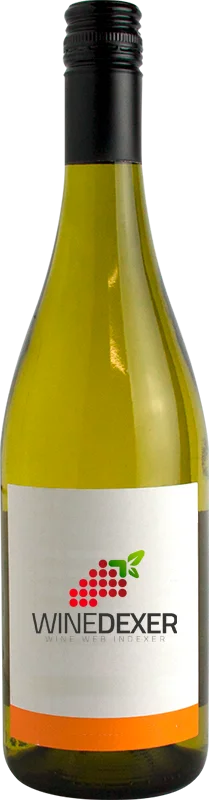
Winery Coward & BlackSweetness & Light
 White wine


This wine generally goes well with
Details and technical informations about Winery Coward & Black's Sweetness & Light.
Discover the grape variety: Dornfelder
German, intraspecific cross made in 1955 by August Karl Herold (1902-1973) between the helfensteiner and the heroldrebe (more details, click here!). With these same parents he also obtained the hegel. The Dornfelder can be found in Switzerland, United Kingdom, Belgium, Germany, Austria, Czech Republic, Canada, United States, ... . Virtually unknown in France, we nevertheless recognize a certain interest in it due to its short phenological cycle and the quality of its wines, both rosé and red.
Last vintages of this wine
The best vintages of Sweetness & Light from Winery Coward & Black are 2018, 0
Informations about the Winery Coward & Black
The Winery Coward & Black is one of of the world's greatest estates. It offers 15 wines for sale in the of Margaret River to come and discover on site or to buy online.

The wine region of Margaret River
The wine region of Margaret River is located in the region of South West Australia of Australie de l'Ouest of Australia. We currently count 442 estates and châteaux in the of Margaret River, producing 2302 different wines in conventional, organic and biodynamic agriculture. The wines of Margaret River go well with generally quite well with dishes .
The wine region of Australie de l'Ouest
Western Australia is the largest of Australia's eight administrative areas and territories. In 2020, it accounted for only 2% of the nation's wine production, but has already produced up to 20% of the country's fine wines. Covering the entire western third of the vast island-continent, "WA" (as it is commonly known) stretches 1,600 kilometres (1,000 miles) from east to west. This makes it the second largest administrative subdivision of any country in the world, larger than Alaska and Texas combined.
The word of the wine: Disgorging (champagne)
This is the evacuation of the deposit formed by the yeasts during the second fermentation in the bottle, by opening the bottle. The missing volume is completed with the liqueur de dosage - a mixture of wine and cane sugar - before the final cork is placed. For some years now, some producers have been replacing this sugar with rectified concentrated musts (concentrated grape juice) which give excellent results. A too recent dosage (less than three months) harms the gustatory harmony of the champagne.