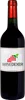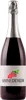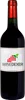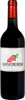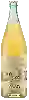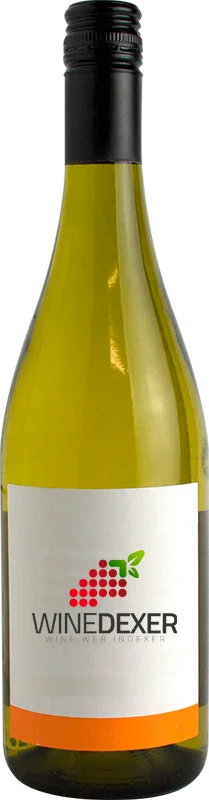
Winery Conte Lorenzo SormaniVeroce Moscato
 White wine



In the mouth this white wine is a powerful.
This wine generally goes well with vegetarian, appetizers and snacks or shellfish.

Taste structure of the Veroce Moscato from the Winery Conte Lorenzo Sormani
Light | Bold | |
Dry | Sweet | |
Soft | Acidic |
In the mouth the Veroce Moscato of Winery Conte Lorenzo Sormani in the region of Puglia is a powerful.
Food and wine pairings with Veroce Moscato
Pairings that work perfectly with Veroce Moscato



Original food and wine pairings with Veroce Moscato
The Veroce Moscato of Winery Conte Lorenzo Sormani matches generally quite well with dishes of shellfish, vegetarian or appetizers and snacks such as recipes of monkfish tail with coconut milk and curry, cream and tuna quiche or bruschetta with mozzarella.
Details and technical informations about Winery Conte Lorenzo Sormani's Veroce Moscato.
Discover the grape variety: Impératriz
A table grape with long bunches and golden berries with thin skin and juicy flesh, delivering a pleasant sweet flavour. Early-ripening. Very rarely vinified. Now rare, surviving in a few amateur gardens and ampelographic collections. A witness to French table-grape heritage, it is among the ancient varieties preserved for their patrimonial interest. A French white table grape, once cultivated for fresh consumption.
Last vintages of this wine
The best vintages of Veroce Moscato from Winery Conte Lorenzo Sormani are 0
Informations about the Winery Conte Lorenzo Sormani
The Winery Conte Lorenzo Sormani is one of of the world's great estates. It offers 39 wines for sale in the of Puglia to come and discover on site or to buy online.

The wine region of Puglia
Heel of the boot, 80% red vineyard, sunny and generous. Fleshy, jammy Primitivo (= Zinfandel) with notes of black cherry, plum, chocolate and spices, powerful alcohol and melted tannins, a star in Primitivo di Manduria. Deep, structured Negroamaro (black-bitter) with a bitter finish in Salice Salentino. Structured Nero di Troia, spicy Susumaniello.
The word of the wine: Overmaturation
When the grapes reach maturity, the skin becomes permeable and progressively loses water, which causes a concentration phenomenon inside the berry. This is called over-ripening or passerillage.