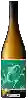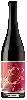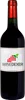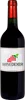
Bodegas Companon Arrieta (El Mozo Wines)Al Mal Tempo Buena Cara
 wine
wine
This wine generally goes well with
The Al Mal Tempo Buena Cara of the Bodegas Companon Arrieta (El Mozo Wines) is in the top 0 of wines of Rioja Alavesa.

Details and technical informations about Bodegas Companon Arrieta (El Mozo Wines)'s Al Mal Tempo Buena Cara.
Discover the grape variety: Cardinal
Primarily a table grape, occasionally vinified as light, fruity reds with a clear ruby colour, soft tannins and a supple palate, showing simple aromas of red fruits (strawberry, cherry), candy and sweet notes. Grown in California, Spain, Italy and the Maghreb for fresh consumption: long bunches, red-violet berries with thin skin and crisp flesh. American hybrid created in 1939 in California (Flame Tokay × Ribier).
Informations about the Bodegas Companon Arrieta (El Mozo Wines)
The Bodegas Companon Arrieta (El Mozo Wines) is one of of the world's greatest estates. It offers 8 wines for sale in the of Rioja Alavesa to come and discover on site or to buy online.

The wine region of Rioja Alavesa
Northwest sub-region of DOCa Rioja in the Basque Country (Álava), on altitude slopes sheltered to the north by the Sierra de Cantabria. Tempranillo signature red king: fine and fresh with signature notes of red cherry, raspberry, plum, sweet vanilla (American oak aging), tobacco and spice hint, fine tannins and elegant palate — airy style, among the finest of Rioja. Clay-limestone soils. Traditional carbonic maceration for young wines (cosechero), gourmand.
The wine region of Rioja
Star of great Spanish reds: signature Tempranillo, elegant and complex, with notes of ripe cherry, plum, leather, vanilla and tobacco from American oak ageing. Classification by age: fruity Joven, balanced Crianza, ample Reserva, deep, silky Gran Reserva (5 years, 2 in barrel). Some fresh Viura whites and generous rosés. Spain's first DOCa (1991), 3 sub-zones (Alta, Alavesa, Oriental), 93.
The word of the wine: Hat
Solid part (marc), composed of pips and skins (sometimes of the stalk), which forms at the top of the tank during fermentation. The pigeage consists in breaking this cap to put back in suspension these elements and to favour the exchanges between the juice and the skins.