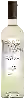
Winery CollegiataTrebbiano d'Abruzzo
 wine
wine
This wine generally goes well with
The Trebbiano d'Abruzzo of the Winery Collegiata is in the top 0 of wines of Trebbiano d'Abruzzo.

Details and technical informations about Winery Collegiata's Trebbiano d'Abruzzo.
Discover the grape variety: Morrastel
Intensely coloured and structured reds with a deep purple hue, firm tannins and an ample palate with preserved acidity, featuring signature aromas of black fruits (blackberry, blackcurrant), spices, liquorice and balsamic notes. Ageing profile. Grown in small quantities in Roussillon, producing distinctive southern cuvées. French synonym of the Spanish Graciano according to genetic analyses, autochthonous black grape from the Languedoc-Roussillon.
Informations about the Winery Collegiata
The Winery Collegiata is one of of the world's greatest estates. It offers 4 wines for sale in the of Trebbiano d'Abruzzo to come and discover on site or to buy online.

The wine region of Trebbiano d'Abruzzo
Abruzzo DOC, exclusively white over 10,000+ ha, one of the great underrated Italian whites. Trebbiano d'Abruzzo (in fact local Bombino Bianco) as king grape: fresh, precise whites with signature citrus, green apple, white flowers, fresh almond and a mineral touch, taut and thirst-quenching palate — from gourmand everyday to ageworthy cuvées signed by great producers. Trebbiano Toscano possible. Hills (max.
The wine region of Abruzzo
Accessible, identity-driven Italian duo. Montepulciano d'Abruzzo as red: deep colour, intense aromas of black cherry, ripe plum, sweet spices and balsamic notes, round tannins and a gourmet finish, from everyday to age-worthy Riserva. Cerasuolo d'Abruzzo DOCG as a fleshy, fruity rosé (strawberry, pomegranate). Trebbiano d'Abruzzo as a straight white with citrus and white flowers, sublimated by a few cult producers (Valentini).
The word of the wine: Mou
Said of a wine unbalanced by its lack of acidity.