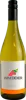
Winery Cody KrestaMarsanne
 White wine
This wine generally goes well with pork and shellfish.

Food and wine pairings with Marsanne
Pairings that work perfectly with Marsanne


Original food and wine pairings with Marsanne
The Marsanne of Winery Cody Kresta matches generally quite well with dishes of pork or shellfish such as recipes of pasta carbonara or periwinkles - the perfect cook!.
Details and technical informations about Winery Cody Kresta's Marsanne.
Discover the grape variety: Marsanne
Rich, structured whites with a round palate and long finish, with aromas of ripe yellow fruits, honey, white flowers, toasted almond and mineral notes. Fine ageing potential, developing waxy and truffle nuances with age. Key variety in the great whites of the northern Rhône (Hermitage, Crozes-Hermitage, Saint-Joseph, Saint-Péray) blended with roussanne. Also exported to Australia (Victoria) and California. Native Rhône variety.
Informations about the Winery Cody Kresta
The Winery Cody Kresta is one of of the world's great estates. It offers 19 wines for sale in the of Lake Michigan Shore to come and discover on site or to buy online.

The wine region of Lake Michigan Shore
Southwest Michigan AVA tempered by the lake (>90% of state vines), climate softened by lake effect. Riesling signature white: taut and aromatic with signature notes of white apple, peach, lemon, white flowers and mineral touch, lively long mouth — from dry to off-dry fragrant. Ample Chardonnay, fine silky Pinot Noir (cherry, undergrowth), peppery Cabernet Franc. Also Chambourcin hybrid and native Concord.
The wine region of Michigan
Midwestern wine state on the 45th parallel (Burgundy, Piedmont), tempered by the Great Lakes (lake effect). Signature Riesling: precise, taut whites with signature notes of citrus, green apple, white peach, white flowers and saline minerality, crisp acidity - from dry to off-dry. Also ample Chardonnay, perfumed Pinot Gris, opulent Gewürztraminer (lychee, rose). Fresh, silky Pinot Noir in red.
The word of the wine: De-vatting
Separation of the fermented juice from all solid particles (skin, pips, deposit of lees) by transferring it to a second tank.