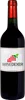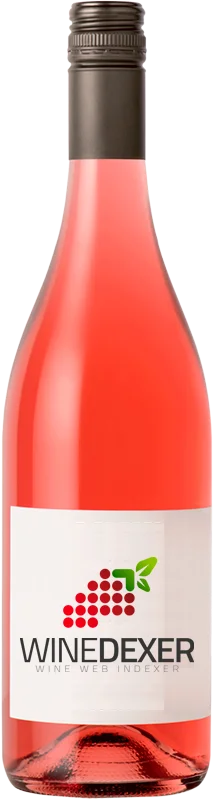
Clos Roche BlanchePineau d'Aunis Touraine Rosé
 Pink wine



This wine generally goes well with

Details and technical informations about Clos Roche Blanche's Pineau d'Aunis Touraine Rosé.
Discover the grape variety: Pineau d'Aunis
Light, spicy reds with a clear ruby robe, fine tannins and fresh acidity, with characteristic aromas of black pepper, red fruit (raspberry, redcurrant), spice and herbal notes. Airy, refreshing palate with a signature peppery finish. Also made as very expressive, taut rosés. Star of Coteaux du Vendômois AOC, present in Anjou, Touraine and Coteaux du Loir AOC. Autochthonous Loire Valley variety, present since the 12th century (favourite wine of Henry Plantagenet).
Last vintages of this wine
The best vintages of Pineau d'Aunis Touraine Rosé from Clos Roche Blanche are 2013, 2011
Informations about the Clos Roche Blanche
The Clos Roche Blanche is one of of the world's greatest estates. It offers 11 wines for sale in the of Touraine to come and discover on site or to buy online.

The wine region of Touraine
Signature Sauvignon as king of Touraine whites (~80% of plantings): dry, expressive with notes of citrus, green apple, gooseberry, white flowers, exotic fruit and a touch of boxwood, lively acidity — ideal aperitif. Gamay as a juicy, crunchy red (cherry, raspberry, discreet tannins), more structured Cabernet Franc (bell pepper, raspberry) and dense Côt to complete it. Chenin and Chardonnay among whites. Vast Loire AOC between Blois and Tours, tuffeau and flint.
The wine region of Loire Valley
Kingdom of lively, dry whites and fine sparklers. Mineral, taut Sauvignon Blanc (Sancerre, Pouilly-Fumé) with citrus and gunflint notes. Multiform Chenin Blanc (Vouvray, Savennières, Layon): straight dry, floral off-dry or noble sweet honey-quince. Saline, iodised Muscadet (Melon B.
The word of the wine: Bâtonnage
A very old technique that has come back into fashion in modern oenology, which consists of shaking the white wine in the barrels at the end of fermentation, or after fermentation, with a stick or a flail, in order to suspend the fine lees composed of yeasts at the end of their activity. This process is sometimes used for red wines.