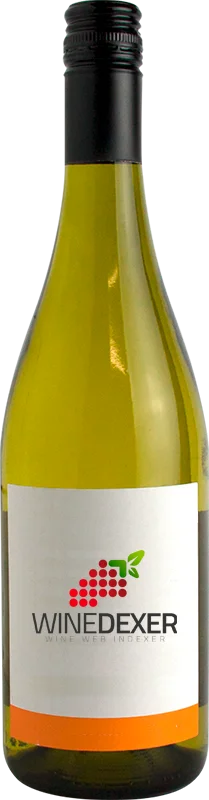
Château du ChatelardBaronne du Chatelard Cuvée Les Pierres Blanches
 White wine
In the mouth this white wine is a powerful.
This wine generally goes well with rich fish (salmon, tuna etc), shellfish or mild and soft cheese.
Taste structure of the Baronne du Chatelard Cuvée Les Pierres Blanches from the Château du Chatelard
Light | Bold | |
Dry | Sweet | |
Soft | Acidic |
In the mouth the Baronne du Chatelard Cuvée Les Pierres Blanches of Château du Chatelard in the region of Burgundy is a powerful.
Food and wine pairings with Baronne du Chatelard Cuvée Les Pierres Blanches
Pairings that work perfectly with Baronne du Chatelard Cuvée Les Pierres Blanches



Original food and wine pairings with Baronne du Chatelard Cuvée Les Pierres Blanches


The Baronne du Chatelard Cuvée Les Pierres Blanches of Château du Chatelard matches generally quite well with dishes of pasta, rich fish (salmon, tuna etc) or shellfish such as recipes of trofie ( pasta ) paradiso, grilled sea bass with herbs or cuttlefish in parsley sauce.
Details and technical informations about Château du Chatelard's Baronne du Chatelard Cuvée Les Pierres Blanches.
Discover the grape variety: Chardonnay
The white Chardonnay is a grape variety that originated in France (Burgundy). It produces a variety of grape specially used for wine making. It is rare to find this grape to eat on our tables. This variety of grape is characterized by small bunches, and small grapes. White Chardonnay can be found in many vineyards: South West, Burgundy, Jura, Languedoc & Roussillon, Cognac, Bordeaux, Beaujolais, Savoie & Bugey, Loire Valley, Champagne, Rhone Valley, Armagnac, Lorraine, Alsace, Provence & Corsica.
Informations about the Château du Chatelard
The Château du Chatelard is one of of the world's great estates. It offers 36 wines for sale in the of Burgundy to come and discover on site or to buy online.

The wine region of Burgundy
Bourgogne is the catch-all regional appellation title of the Burgundy wine region in eastern France ("Bourgogne" is the French name for Burgundy). Burgundy has a Complex and comprehensive appellation system; counting Premier Cru and Grand Cru titles, the region has over 700 appellation titles for its wines. Thus, Burgundy wines often come from one Vineyard (or several separate vineyards) without an appellation title specific to the region, Village or even vineyard. A standard Burgundy wine may be made from grapes grown in one or more of Burgundy's 300 communes.
The word of the wine: Powdery mildew
Disease of the vine due to a fungus. Less dreadful than mildew, it only attacks the surface of the green parts. Sulphur has long been the best remedy.