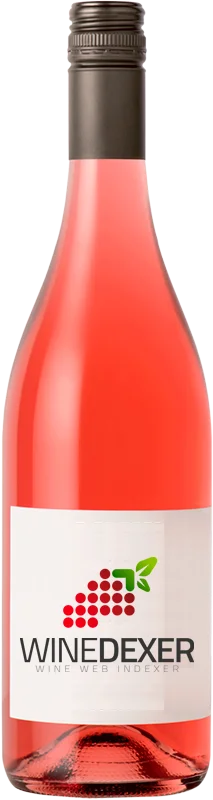
Château TamagneRoze de Tamagne
 Pink wine
of Таманский полуостров of Кубань of Russia
Pink wine
of Таманский полуостров of Кубань of Russia


This wine generally goes well with

Details and technical informations about Château Tamagne's Roze de Tamagne.
Discover the grape variety: Fernao Pires
Aromatic and lively whites with a tender palate and fresh acidity, on intense aromas of white flowers (orange blossom, acacia), citrus, white peach, muscat and spiced notes. Made as dry whites, popular off-dry styles and in sparkling wines from Bairrada. Also called Maria Gomes in Bairrada DOC. Widely grown in Ribatejo, Tejo DOC and Lisboa, one of Portugal's most planted white grapes. Native Portuguese variety.
Last vintages of this wine
The best vintages of Roze de Tamagne from Château Tamagne are 2015, 2014, 0, 2013 and 2012.
Informations about the Château Tamagne
The Château Tamagne is one of wineries to follow in Kuban-Tamanskii-Poluostrov.. It offers 129 wines for sale in the of Таманский полуостров to come and discover on site or to buy online.

The wine region of Таманский полуостров
Taman Peninsula between the Black Sea and the Sea of Azov, Russia's wine heartland facing Crimea, at the latitude of Bordeaux. Dense, sun-drenched reds with notes of black cherry, plum, sweet spice and tobacco (firm Cabernet Sauvignon, intense deeply coloured Georgian Saperavi), round tannins. Ample Chardonnay and lively citrusy Rkatsiteli whites. Soviet-inherited sparkling tradition ("Shampanskoye").
The wine region of Кубань
Russia's leading wine region (Krasnodar Krai) between the Black Sea and Sea of Azov, ~50% of Russian wine. Mediterranean to sub-tropical climate. Firm signature Cabernet Sauvignon with signature notes of cassis, blackberry, cedar and a spicy touch, structured tannins. Round Merlot (plum, cherry), dense Saperavi (black cherry, ink), native Krasnostop (blackberry, pepper).
The word of the wine: Free-run wine
The free-run wine is the wine that flows out of the vat by gravity at the time of running off. The marc soaked in wine is then pressed to extract a rich and tannic wine. Free-run wine and press wine are then aged separately and eventually blended by the winemaker in proportions defined according to the type of wine being made.