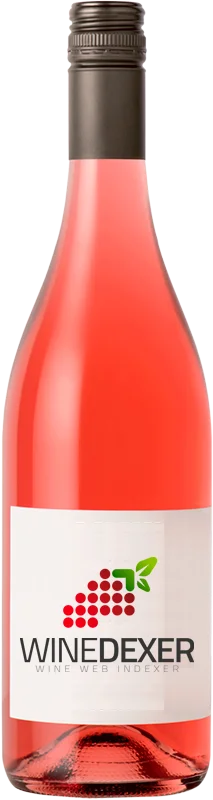
Château Les CouzinsLe Rose des Couzins
 Pink wine
This wine generally goes well with

Details and technical informations about Château Les Couzins's Le Rose des Couzins.
Discover the grape variety: Tinta Amarela
Structured, intensely coloured reds with a dark ruby color, firm tannins and a dense palate, offering intense aromas of black fruits (blackberry, blackcurrant), plum, black cherry, spices, pepper, aromatic herbs and balsamic notes. Fine cellaring potential. Traditional component of great Douro DOC reds, Porto, as well as Alentejo DOC and Tejo DOC wines. Portuguese synonym for trincadeira (or trincadeira preta), a signature indigenous Portuguese variety.
Informations about the Château Les Couzins
The Château Les Couzins is one of of the world's greatest estates. It offers 3 wines for sale in the of Lussac-Saint-Émilion to come and discover on site or to buy online.

The wine region of Lussac-Saint-Émilion
Northern Saint-Émilion satellite on the Bordeaux Right Bank (AOC 1936, ~72,000 hl/year): rich, silky reds dominated by Merlot — ripe red and black fruits, candied plum, pepper, undergrowth and animal leather notes with age, melted tannins and velvety texture. Cabernet Franc, Cabernet Sauvignon, Malbec and Petit Verdot in blends. Varied terroirs: southeastern clay-limestone hillsides typical of Saint-Émilion and gravelly western plateau, generous and accessible identity.
The wine region of Bordeaux
World-renowned age-worthy reds, led by round Merlot (plum, black fruit) or firm Cabernet Sauvignon (blackcurrant, cedar, graphite), blended with Cabernet Franc and Petit Verdot for tannic structure. Structured Médoc and Graves, velvety Saint-Émilion and Pomerol. Also crisp dry whites (Sauvignon/Sémillon) and opulent sweet Sauternes with honey and candied fruit. A 110,000 ha Gironde vineyard, 65 appellations, cradle of the 1855 classified growths.
The word of the wine: Draft liquor (champagne)
After blending, the wine is bottled with a liqueur de tirage (a mixture of sugar and wine) and a yeast (selected yeasts). The yeast attacks the sugar and creates carbon dioxide. The fermentation, which lasts about two months, is prolonged by an ageing period (15 months minimum in total). The bottle is capped (some rare vintages are capped with a staple and a cork).