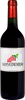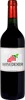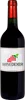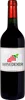
Château Le Grand MoulinPremières Côtes de Blaye Rouge
 Red wine
In the mouth this red wine is a powerful with a nice balance between acidity and tannins.
This wine generally goes well with poultry, beef or veal.

Taste structure of the Premières Côtes de Blaye Rouge from the Château Le Grand Moulin
Light | Bold | |
Smooth | Tannic | |
Dry | Sweet | |
Soft | Acidic |
In the mouth the Premières Côtes de Blaye Rouge of Château Le Grand Moulin in the region of Bordeaux is a powerful with a nice balance between acidity and tannins.
Food and wine pairings with Premières Côtes de Blaye Rouge
Pairings that work perfectly with Premières Côtes de Blaye Rouge



Original food and wine pairings with Premières Côtes de Blaye Rouge

The Premières Côtes de Blaye Rouge of Château Le Grand Moulin matches generally quite well with dishes of beef, veal or game (deer, venison) such as recipes of homemade italian lasagna, escargots à la bordelaise or duck breast with honey-orange sauce.
Details and technical informations about Château Le Grand Moulin's Premières Côtes de Blaye Rouge.
Discover the grape variety: Treixadura
Structured and aromatic dry whites with a pale golden robe, an ample palate and preserved acidity, with signature aromas of citrus (lemon, mandarin), white-fleshed fruits (pear, peach), white flowers (acacia) and Atlantic mineral notes. Fine quality potential. The star of the Ribeiro DO appellation, it defines the great dry Galician whites and contributes to the Rías Baixas DO. Native Galician white grape, identical to the Portuguese Trajadura.
Informations about the Château Le Grand Moulin
The Château Le Grand Moulin is one of of the world's greatest estates. It offers 11 wines for sale in the of Premières Côtes de Blaye to come and discover on site or to buy online.

The wine region of Premières Côtes de Blaye
Bordeaux right bank facing the Médoc (Gironde estuary): signature Merlot as the royal red (~70%) — fleshy and fruity with notes of cherry, ripe plum, blackberry, red fruits and a hint of sweet spice, round tannins and velvety indulgence, signature accessibility. Cabernet Sauvignon and Cabernet Franc add structure. Sauvignon, Sémillon and Muscadelle in fresh dry whites. AOC (1938, merged into Blaye Côtes de Bordeaux in 2008), clay-limestone hillsides.
The wine region of Bordeaux
World-renowned age-worthy reds, led by round Merlot (plum, black fruit) or firm Cabernet Sauvignon (blackcurrant, cedar, graphite), blended with Cabernet Franc and Petit Verdot for tannic structure. Structured Médoc and Graves, velvety Saint-Émilion and Pomerol. Also crisp dry whites (Sauvignon/Sémillon) and opulent sweet Sauternes with honey and candied fruit. A 110,000 ha Gironde vineyard, 65 appellations, cradle of the 1855 classified growths.
The word of the wine: Ugni blanc
White grape variety of Italian origin, and the main white variety grown in France. Its large bunches give fine, light and lively wines, suitable for distillation: today it is the main variety for making cognac and armagnac. Ugni blanc, which is a little richer in alcohol when grown in Mediterranean regions, is used in the blending of the Provence and Corsica appellations, often in association with other grape varieties that bring aromas and structure, such as clairette, grenache blanc or sauvignon. Ugni blanc is also used, on a secondary basis, in the production of certain white wines in Gironde (AOC Bordeaux, Entre-deux-Mers, etc.).