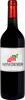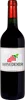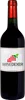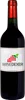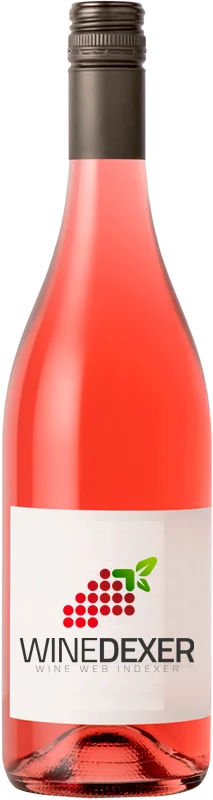
Château LaurParadoxe de Malbec Rosé
 Pink wine



This wine generally goes well with beef and game (deer, venison).

Food and wine pairings with Paradoxe de Malbec Rosé
Pairings that work perfectly with Paradoxe de Malbec Rosé


Original food and wine pairings with Paradoxe de Malbec Rosé
The Paradoxe de Malbec Rosé of Château Laur matches generally quite well with dishes of beef or game (deer, venison) such as recipes of veal shank with mushrooms or roast doe in the oven.
Details and technical informations about Château Laur's Paradoxe de Malbec Rosé.
Discover the grape variety: Merlot
Round and fleshy reds with a velvety texture, showing aromas of ripe plum, black cherry, cocoa and truffle notes with age. Supple tannins, generous alcohol, indulgent finish. Pillar of Libournais (Pomerol with Pétrus, Saint-Émilion with Cheval Blanc and Ausone) and signature of Super Tuscans, Italian Wales and Washington State. A cross of Cabernet Franc × Magdeleine Noire, France's most planted red variety.
Informations about the Château Laur
The Château Laur is one of of the world's great estates. It offers 32 wines for sale in the of Côtes du Lot to come and discover on site or to buy online.

The wine region of Côtes du Lot
IGP of the Southwest around Rocamadour and beyond AOP Cahors: Malbec flagship red with notes of blackberry, plum, blackcurrant, violet and spice and cocoa touch, but allowing Merlot, Tannat and Cabernet Sauvignon. Whites and rosés also produced with fruity and light signature profiles. More accessible and convivial style than Cahors, perfect for simple dishes. IGP, varied Lot terroirs (limestone causses, alluvium), temperate climate.
The wine region of Comté Tolosan
IGP covering all of southwest France across 12 departments, a broad and accessible palette. On the Garonne right bank, supple reds dominate: signature Merlot with signature notes of plum, ripe cherry, cocoa and a herbaceous touch, round tannins. Firm Cabernet, spicy Syrah, tannic local Tannat. Left bank for whites: vivid Colombard and Gros Manseng (citrus, grapefruit, exotic fruits), aromatic Sauvignon.
The word of the wine: Oxidation
Alteration of the wine caused by prolonged contact with oxygen and resulting in a coppery colour with brown reflections and the appearance of typical aromas reminiscent of rancid nuts.