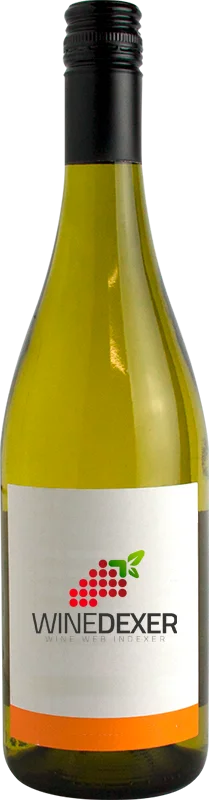
Château La Croix d'ArmagnacCadillac
 Sweet wine



This wine generally goes well with

Details and technical informations about Château La Croix d'Armagnac's Cadillac.
Discover the grape variety: Bertille Seyve 450
Simple, fresh dry whites with a pale golden colour, a supple palate with moderate acidity and understated aromas of citrus and white flowers. Productive rustic profile. Now marginal, it survives in a few heritage plots and is one of the old French hybrids preserved in varietal collections. French white hybrid variety obtained in the early 20th century by Bertille Seyve, in the lineage of phylloxera-resistant crossings.
Last vintages of this wine
The best vintages of Cadillac from Château La Croix d'Armagnac are 0, 2015, 2013
Informations about the Château La Croix d'Armagnac
The Château La Croix d'Armagnac is one of of the world's greatest estates. It offers 7 wines for sale in the of Cadillac to come and discover on site or to buy online.

The wine region of Cadillac
Sweet AOC of Entre-deux-Mers, right bank of the Garonne: signature Sémillon as sweet white king (70%) susceptible to botrytis cinerea, Sauvignon Blanc (20%, freshness and acidity) and Muscadelle (10%, delicate floral aromas) — golden robe evolving toward amber, signature rich suave and powerful profile with aromas of ripe fruits (apricot, peach), honey, flowers (acacia), honeysuckle and vanilla, long aging. Gravels, clay-limestone and boulbènes, morning mists favouring botrytis.
The wine region of Bordeaux
World-renowned age-worthy reds, led by round Merlot (plum, black fruit) or firm Cabernet Sauvignon (blackcurrant, cedar, graphite), blended with Cabernet Franc and Petit Verdot for tannic structure. Structured Médoc and Graves, velvety Saint-Émilion and Pomerol. Also crisp dry whites (Sauvignon/Sémillon) and opulent sweet Sauternes with honey and candied fruit. A 110,000 ha Gironde vineyard, 65 appellations, cradle of the 1855 classified growths.
The word of the wine: Aqueous
Said of a diluted wine for which one has the impression that water has been added.