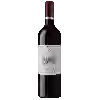
Château la CottièreCôtes de Bourg Blanc
 wine
wine
This wine generally goes well with
The Côtes de Bourg Blanc of the Château la Cottière is in the top 0 of wines of Côtes de Bourg.
Details and technical informations about Château la Cottière's Côtes de Bourg Blanc.
Discover the grape variety: Muscaris
An interspecific cross between Solaris and Muscat à petits grains blancs, obtained in Freiburg (Germany) in 1987 by Norbert Becker. It has the particularity of having only one gene for resistance to mildew and powdery mildew. Muscaris can be found in Germany, the Netherlands, Italy and France.
Informations about the Château la Cottière
The Château la Cottière is one of of the world's greatest estates. It offers 5 wines for sale in the of Côtes de Bourg to come and discover on site or to buy online.

The wine region of Côtes de Bourg
The wine region of Côtes de Bourg is located in the region of Côtes de Bordeaux of Bordeaux of France. Wineries and vineyards like the Domaine Roc de Cambes or the Château Tayac produce mainly wines red and white. The most planted grape varieties in the region of Côtes de Bourg are Merlot, Cabernet-Sauvignon and Cabernet franc, they are then used in wines in blends or as a single variety. On the nose of Côtes de Bourg often reveals types of flavors of oak, sweet tobacco or pineapple and sometimes also flavors of cigar, ripe blackberries or bell pepper.
The wine region of Bordeaux
Bordeaux, in southwestern France, is one of the most famous, prestigious and prolific wine regions in the world. The majority of Bordeaux wines (nearly 90% of the production Volume) are the Dry, medium and Full-bodied red Bordeaux blends for which it is famous. The finest (and most expensive) are the wines of the great châteaux of Haut-Médoc and the right bank appellations of Saint-Émilion and Pomerol. The former focuses (at the highest level) on Cabernet Sauvignon, the latter on Merlot.
The word of the wine: Water stress
Lack of water. Water stress blocks the vegetative cycle of the vine, which uses all available resources to maintain the integrity of the plant, thus blocking the ripening process of the grapes.