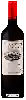
Château La ClotteGraves
 wine
wine
In the mouth this wine is a powerful with a nice balance between acidity and tannins.
This wine generally goes well with
The Graves of the Château La Clotte is in the top 0 of wines of Graves.

Taste structure of the Graves from the Château La Clotte
Light | Bold | |
Smooth | Tannic | |
Dry | Sweet | |
Soft | Acidic |
In the mouth the Graves of Château La Clotte in the region of Bordeaux is a powerful with a nice balance between acidity and tannins.
Details and technical informations about Château La Clotte's Graves.
Discover the grape variety: Sgavetta
Light, fruity reds best drunk young, with a pale ruby robe, soft tannins, and an airy palate with fresh acidity, offering signature aromas of red fruits (cherry, raspberry), soft spices, and floral notes. Accessible Emilian profile. Preserved in small plots around Reggio Emilia, it testifies to the ampelographic diversity of Emilia-Romagna. A rare Italian black variety from Emilia-Romagna.
Informations about the Château La Clotte
The Château La Clotte is one of of the world's greatest estates. It offers 5 wines for sale in the of Graves to come and discover on site or to buy online.

The wine region of Graves
Historic cradle of Bordeaux wine, left bank south of the city. Structured reds on siliceous gravel: firm cassis-laden Cabernet Sauvignon, velvety Merlot, perfumed Cabernet Franc, signature notes of black fruit, smoke, graphite and cigar box. Elegant dry whites blending Sauvignon (citrus, boxwood, freshness) and Sémillon (wax, honey, richness with ageing), among Bordeaux's longest-lived. Also sweet Graves Supérieures.
The wine region of Bordeaux
World-renowned age-worthy reds, led by round Merlot (plum, black fruit) or firm Cabernet Sauvignon (blackcurrant, cedar, graphite), blended with Cabernet Franc and Petit Verdot for tannic structure. Structured Médoc and Graves, velvety Saint-Émilion and Pomerol. Also crisp dry whites (Sauvignon/Sémillon) and opulent sweet Sauternes with honey and candied fruit. A 110,000 ha Gironde vineyard, 65 appellations, cradle of the 1855 classified growths.
The word of the wine: Alcoholic fermentation
Transformation of sugars into alcohol under the effect of yeast. These yeasts exist in their natural state in the vineyards and in the cellars. Artificial seeding with selected yeasts is however very often practiced.