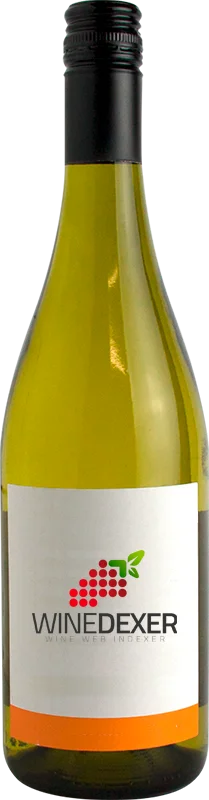
Chateau Grand LousteauSainte-Croix-du-Mont
 White wine



This wine generally goes well with

Details and technical informations about Chateau Grand Lousteau's Sainte-Croix-du-Mont.
Discover the grape variety: Chaouch
Simple, fresh dry whites with a pale golden colour, supple palate with moderate acidity, undemonstrative aromas of citrus and white flowers. Drink young. Now rare, survives as a table grape in amateur gardens and varietal collections in central Europe, testament to the historic spread of Levantine varieties across the eastern Mediterranean and Balkans. Historic white variety, probably originating in Turkey.
Last vintages of this wine
The best vintages of Sainte-Croix-du-Mont from Chateau Grand Lousteau are 2009, 2011
Informations about the Chateau Grand Lousteau
The Chateau Grand Lousteau is one of of the world's greatest estates. It offers 1 wines for sale in the of Saint-Croix-du-Mont to come and discover on site or to buy online.

The wine region of Saint-Croix-du-Mont
Sweet AOC on the right bank of the Garonne facing Sauternes (Entre-deux-Mers, 450 ha): signature Sémillon as king sweet white (85%) susceptible to noble rot (Botrytis cinerea), Sauvignon Blanc (12%) and Muscadelle (3%) as complement — enveloping signature aromas of raisin, fig, white flowers (acacia, honeysuckle), apricot, pineapple, peach and candied fruit, powerful and complex profile of remarkable intensity, outstanding length. Sauternes-style.
The wine region of Bordeaux
World-renowned age-worthy reds, led by round Merlot (plum, black fruit) or firm Cabernet Sauvignon (blackcurrant, cedar, graphite), blended with Cabernet Franc and Petit Verdot for tannic structure. Structured Médoc and Graves, velvety Saint-Émilion and Pomerol. Also crisp dry whites (Sauvignon/Sémillon) and opulent sweet Sauternes with honey and candied fruit. A 110,000 ha Gironde vineyard, 65 appellations, cradle of the 1855 classified growths.
The word of the wine: Bleeding
Old practice for red wines. As soon as the vat is filled with grapes, the tap is opened. A sweet but clear juice escapes from the vat (it can also be used to make rosé). The colour and density of the juice is enhanced, but it should not be overdone. Rarely more than 10% of the volume of a vat, otherwise you risk losing fruit and bringing in bitterness.