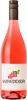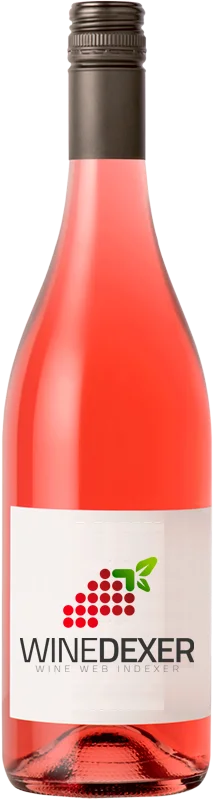
Château des RavatysBeaujolais Rosé
 Pink wine
This wine generally goes well with beef

Food and wine pairings with Beaujolais Rosé
Pairings that work perfectly with Beaujolais Rosé

Original food and wine pairings with Beaujolais Rosé
The Beaujolais Rosé of Château des Ravatys matches generally quite well with dishes of beef such as recipes of spaghetti bolognese.
Details and technical informations about Château des Ravatys's Beaujolais Rosé.
Discover the grape variety: Gamay noir
Light, juicy reds, low in tannins with crunchy freshness, showing aromas of wild strawberry, raspberry, banana (from carbonic maceration) and peony. Easy-drinking style of Beaujolais Nouveau, more structured and mineral on the granites of the ten crus (Morgon, Moulin-à-Vent, Fleurie, Brouilly). Also in Touraine, Auvergne and Swiss Romande. A Burgundian variety, a cross of Pinot Noir × Gouais Blanc.
Informations about the Château des Ravatys
The Château des Ravatys is one of of the world's great estates. It offers 13 wines for sale in the of Beaujolais to come and discover on site or to buy online.

The wine region of Beaujolais
Kingdom of Gamay (98% of the vineyard): fruity, accessible reds with signature notes of cherry, raspberry, banana (carbonic maceration), violet and sweet spices, supple tannins and juicy acidity. From festive Beaujolais Nouveau (3rd Thursday of November) to the 10 more structured, age-worthy Crus: deep earthy Morgon, sturdy Moulin-à-Vent, floral Fleurie, crunchy Brouilly. Some lively Chardonnay. 12,000 ha south of Burgundy, granitic soils.
The word of the wine: Flintstone
Said of an aroma that evokes the smell of flint just from sparking.