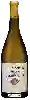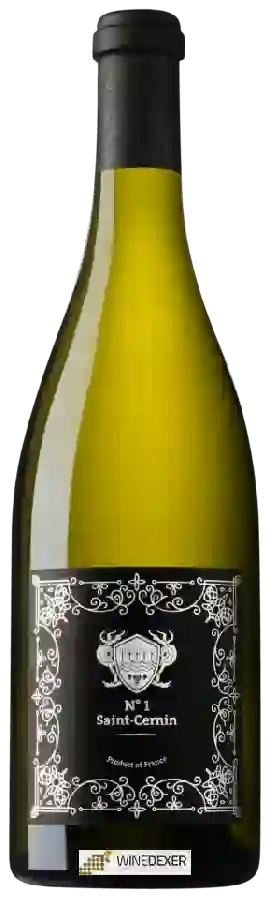
Château de Saint-CerninN°1 Saint-Cernin Blanc
 wine
wine
This wine generally goes well with
The N°1 Saint-Cernin Blanc of the Château de Saint-Cernin is in the top 0 of wines of Limoux.
Details and technical informations about Château de Saint-Cernin's N°1 Saint-Cernin Blanc.
Discover the grape variety: Manseng noir
Manseng noir is a grape variety from the western Pyrenees, close to tannat, a famous grape variety from southwest France. It is also called mansein, mansec or mancep in the Lot. It has been around since the 13th century and has given rise to Petit Manseng and Gros Manseng, two varieties of the same family but with quite different characteristics. Manseng noir remains essential for the AOC Béarn, where it is grown on about ten hectares. However, Manseng noir is a vigorous, productive and disease-resistant grape variety. It gives wines with a colourful robe, powerful, with aromas of black fruits and mushrooms, quite fine and with an interesting ageing potential.
Informations about the Château de Saint-Cernin
The Château de Saint-Cernin is one of of the world's greatest estates. It offers 5 wines for sale in the of Limoux to come and discover on site or to buy online.

The wine region of Limoux
Limoux is a relatively New appellation (created in 2003) in the eastern Part of the Aude region of Southern France, which applies to both red and white wines. The vineyards extend around the town that gave it its name, in the foothills of the Pyrenees east of the Languedoc-Roussillon/corbieres">Corbières and south of Carcassonne. Historically, this region is best known for its Sparkling wines, which are produced and sold under the appellations of Blanquette de Limoux and Crémant de Limoux. The vineyards here are higher and cooler than those of any other appellation in the Languedoc-Roussillon, and also further away from the moderating temperature influences of the Mediterranean.
The wine region of Languedoc-Roussillon
Languedoc (formerly Coteaux du Languedoc) is a key appellation used in the Languedoc-Roussillon wine region of southern France. It covers Dry table wines of all three colors (red, white and rosé) from the entire region, but leaves Sweet and Sparkling wines to other more specialized appellations. About 75% of all Languedoc wines are red, with the remaining 25% split roughly down the middle between whites and rosés. The appellation covers most of the Languedoc region and almost a third of all the vineyards in France.
The word of the wine: Botrytis cinerea
This fungus, also called noble rot, develops during the over-ripening phase and is an ally of great sweet white wines, when it concentrates the juice of the berries. It requires the humidity of morning fogs and beautiful sunny days, gives musts very rich in sugar and brings to the wines the famous taste of "roasted".