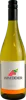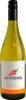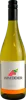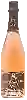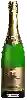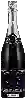
Château de la VioletteBrut
 Sparkling wine
This wine generally goes well with

Details and technical informations about Château de la Violette's Brut.
Discover the grape variety: Completer
Structured, aromatic dry whites with a pale golden hue, ample body and sharp acidity; signature aromas of almond, honey, white flowers (acacia), white-fleshed fruits (pear) and alpine mineral notes. Fine ageing potential. Star of the Bündner Herrschaft region around Malans, one of Switzerland's most precious and ancient heritage grapes. Native Swiss white grape from the canton of Graubünden, extremely rare.
Informations about the Château de la Violette
The Château de la Violette is one of of the world's great estates. It offers 12 wines for sale in the of Vin de Savoie to come and discover on site or to buy online.

The wine region of Vin de Savoie
French Alpine AOC between lakes and mountains (~1,755 ha, 71% whites). Lively, mineral whites dominate. Signature Jacquere of the Apremont, Abymes, Chignin crus: with signature notes of white flowers, green apple, citrus, almond and gunflint, a taut and thirst-quenching palate — the Savoyard aperitif with fondue or raclette. Altesse (Roussette) more noble and broad (honey, hazelnut, ripe citrus).
The wine region of Savoie
French Alpine vineyard with unique native grapes. Signature Jacquère in whites (~50% of the vineyard): lively, light dry wines with white flowers, green apple, citrus, fresh almond and a mineral touch, perfect with fondue and raclette. Ampler Altesse (Roussette) (pear, honey, hazelnut). Fruity, peppery Mondeuse reds (cherry, violet, firm tannins), light Gamay and fine Pinot Noir.
The word of the wine: Presses
The juice that results from pressing the grapes after fermentation. At the end of the maceration, the vats are emptied, the first juice obtained is called the free-run wine and the marc remaining at the bottom of the vat is then pressed to give the press wine. We say more quickly "the presses". Their quality varies according to the vintage and the maceration. A too vigorous extraction releases the tannins of pips and the wine of press can then prove to be very astringent. Often the winemaker raises it separately, deciding later whether or not to incorporate it totally or partially into the grand vin.