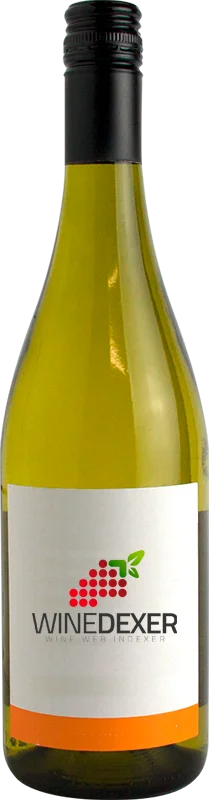
Château Champs de LucasBordeaux Moelleux
 Sweet wine


This wine generally goes well with

Details and technical informations about Château Champs de Lucas's Bordeaux Moelleux.
Discover the grape variety: Loureiro
Lively, highly aromatic whites with tonic acidity and a slender mouth, featuring intense aromas of white flowers (bay, acacia, orange blossom), citrus, white peach, white flesh fruits and Atlantic saline notes. Fresh, refreshing finish. Star of Vinho Verde DOC from Minho (Portugal) in blends with Alvarinho and Trajadura, and signature of Rías Baixas DO in Galicia. Native grape of the northwest Iberian peninsula, its name evokes the bay laurel (loureiro).
Last vintages of this wine

The best vintages of Bordeaux Moelleux from Château Champs de Lucas are 2019, 2016, 2017
Informations about the Château Champs de Lucas
The Château Champs de Lucas is one of of the world's greatest estates. It offers 4 wines for sale in the of Bordeaux Moelleux to come and discover on site or to buy online.

The wine region of Bordeaux Moelleux
Emblematic style of Bordeaux off-dry whites (10-50 g sugar/L), produced across the entire AOC area from over-ripened grapes (botrytised or passerillé). Signature Sémillon dominant: golden, round whites with signature notes of honey, apricot, candied fruits, citrus, vanilla and a quince touch, unctuous, fresh palate. Sauvignon Blanc brings taut acidity, Muscadelle the floral aromatic. Accessible, gastronomic style, affordable alternative to Sauternes.
The wine region of Bordeaux
World-renowned age-worthy reds, led by round Merlot (plum, black fruit) or firm Cabernet Sauvignon (blackcurrant, cedar, graphite), blended with Cabernet Franc and Petit Verdot for tannic structure. Structured Médoc and Graves, velvety Saint-Émilion and Pomerol. Also crisp dry whites (Sauvignon/Sémillon) and opulent sweet Sauternes with honey and candied fruit. A 110,000 ha Gironde vineyard, 65 appellations, cradle of the 1855 classified growths.
The word of the wine: Volatile acidity
Acidity resulting essentially from alcoholic fermentation and formed from acetic acids in the free state.