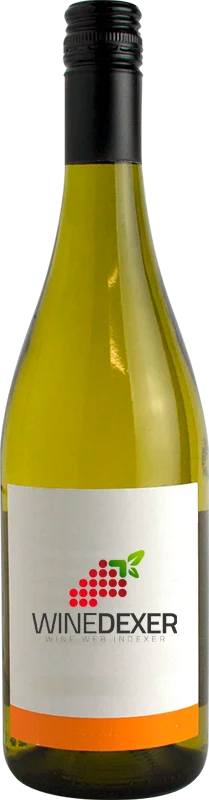
Château BelleriveQuarts de Chaume Grand Cru
 White wine


This wine generally goes well with

Details and technical informations about Château Bellerive's Quarts de Chaume Grand Cru.
Discover the grape variety: Zéta
Aromatic whites made dry or as botrytised dessert wines, ranging from pale gold to amber, with an ample palate and fresh acidity showing yellow fruits (pear, apricot), white flowers, honey and Tokaj mineral notes. Very fine potential. Authorised in Tokaji Aszú and contributing to modern Tokaj cuvées. A 1951 Hungarian cross of Furmint × Bouvier.
Informations about the Château Bellerive
The Château Bellerive is one of of the world's greatest estates. It offers 12 wines for sale in the of Quarts de Chaume to come and discover on site or to buy online.

The wine region of Quarts de Chaume
The only Grand Cru of the Loire Valley (2011, ~40 ha in Anjou-Layon): 100% Chenin as extraordinarily complex, multi-decade sweet wines. Golden to old-gold robe, aromas of candied fruit, honey, quince and saffron notes. Successive manual tries of botrytised bunches (Botrytis cinerea), minimum 298 g/L sugar before fermentation, maximum yield 20 hl/ha. South-facing slope above morning mists of the Layon river — exceptional botrytis on draining Brioverian schists.
The wine region of Loire Valley
Kingdom of lively, dry whites and fine sparklers. Mineral, taut Sauvignon Blanc (Sancerre, Pouilly-Fumé) with citrus and gunflint notes. Multiform Chenin Blanc (Vouvray, Savennières, Layon): straight dry, floral off-dry or noble sweet honey-quince. Saline, iodised Muscadet (Melon B.
The word of the wine: Wooded
A set of aromas brought about by ageing in barrels (usually oak). This can be pleasant when, in small doses, it brings a touch of spice, roast or vanilla to an already constructed ensemble. When the violent woodiness dominates the wine, it is quickly tiring. Easily identifiable aromatically, it is sought after (to the point of abuse) by the makers of coarse wines. New World manufacturers and, alas, some French winemakers use oak chips to impart the woody taste, which is tantamount to artificial flavoring.