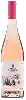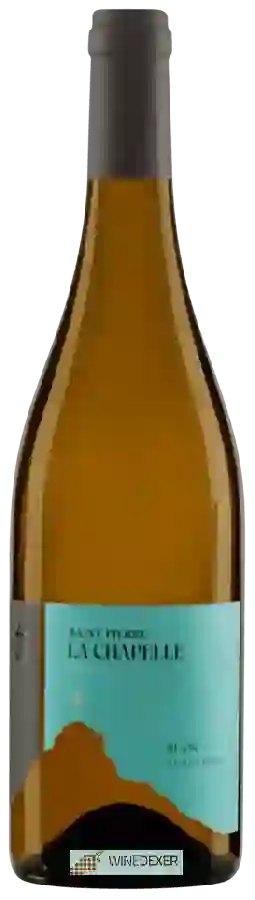
Winery Chapelle Saint PierreSaint-Chinian Blanc
 wine
wine
This wine generally goes well with
The Saint-Chinian Blanc of the Winery Chapelle Saint Pierre is in the top 0 of wines of Saint-Chinian.
Details and technical informations about Winery Chapelle Saint Pierre's Saint-Chinian Blanc.
Discover the grape variety: Valensi
He is said to be of Spanish origin from the Valencia region. It can also be found in Israel. In France, it is almost endangered, although it is registered in the Official Catalogue of table grape varieties, list A1.
Informations about the Winery Chapelle Saint Pierre
The Winery Chapelle Saint Pierre is one of of the world's greatest estates. It offers 3 wines for sale in the of Saint-Chinian to come and discover on site or to buy online.

The wine region of Saint-Chinian
Saint-Chinian is an appellation in the Languedoc-roussillon">Languedoc-Roussillon wine region of southern France. It is located between Minervois and Faugeres, which produce similar styles of robust red wine from similar grapes and in a similar landscape. It is also adjacent to the Muscat de Saint-Jean-de-Minervois appellation, which produces Sweet white wines. Therefore, the diversity of the Languedoc region is well demonstrated in this small area.
The wine region of Languedoc-Roussillon
Languedoc (formerly Coteaux du Languedoc) is a key appellation used in the Languedoc-Roussillon wine region of southern France. It covers Dry table wines of all three colors (red, white and rosé) from the entire region, but leaves Sweet and Sparkling wines to other more specialized appellations. About 75% of all Languedoc wines are red, with the remaining 25% split roughly down the middle between whites and rosés. The appellation covers most of the Languedoc region and almost a third of all the vineyards in France.
The word of the wine: Persistence
Persistence in the mouth of a wine measured in caudalies.