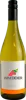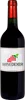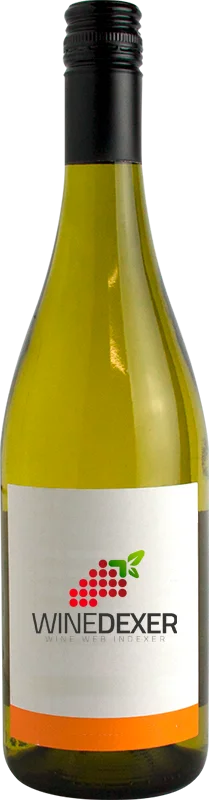
Winery Celliers du Sud QuestMarquis du Peyret Côtes de Bergerac Moelleux
 Sweet wine



This wine generally goes well with



Details and technical informations about Winery Celliers du Sud Quest's Marquis du Peyret Côtes de Bergerac Moelleux.
Discover the grape variety: Trebbiano Toscano
Neutral, fresh dry whites with a pale golden robe, a supple palate and preserved acidity, with subtle aromas of citrus (lemon), white flowers and herbal notes. A rustic, productive profile. Component of Italian DOC whites (Vin Santo, white Chianti), massively used for Cognac distillation (as Ugni Blanc) and Jerez brandy. The most widely planted Trebbiano variety in Italy, grown mainly in Tuscany and Emilia-Romagna.
Last vintages of this wine
The best vintages of Marquis du Peyret Côtes de Bergerac Moelleux from Winery Celliers du Sud Quest are 2017, 2016, 2014
Informations about the Winery Celliers du Sud Quest
The Winery Celliers du Sud Quest is one of of the world's greatest estates. It offers 11 wines for sale in the of Côtes de Bergerac to come and discover on site or to buy online.

The wine region of Côtes de Bergerac
Higher hierarchy of the Bergeracois in Périgord: structured complex reds — dominant Merlot blended with Cabernet Franc, Cabernet Sauvignon and Côt, deep robe, aromas of candied fruits and prune, sturdy tannins suitable for 5-10 years of aging. Sweet generous whites on Sémillon, Sauvignon and Muscadelle with notes of honey, candied fruits and apricot, round and fresh palate. Clay-limestone soils, more demanding identity than generic Bergerac.
The wine region of South West
French mosaic of strong identities south of Bordeaux. Cahors and its Malbec ("black wine"): deep reds with notes of blackberry, plum, violet, tobacco and cocoa, firm tannins. Madiran and its dense, age-worthy Tannat. Jurançon whites: golden sweet (apricot, honey, pineapple) and lively dry from Petit Manseng.
The word of the wine: Finesse
Quality of a delicate and elegant wine.