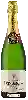
Winery Cellier Leonard de VinciTouraine Demi-Sec Rosé
 Sparkling wine


This wine generally goes well with

Details and technical informations about Winery Cellier Leonard de Vinci's Touraine Demi-Sec Rosé.
Discover the grape variety: Bouchalès
Light and fruity reds with a clear ruby robe, barely noticeable tannins and a supple palate, with simple aromas of red fruits (cherry, raspberry, strawberry), soft spices and floral notes. A rustic airy profile to drink young. Often blended with Abouriou, Merlot and Cabernet Franc, it contributes to the AOC Côtes-du-Marmandais reds and reflects the South-West heritage. Native French black grape from the South-West (Côtes-du-Marmandais, Buzet).
Last vintages of this wine
The best vintages of Touraine Demi-Sec Rosé from Winery Cellier Leonard de Vinci are 0
Informations about the Winery Cellier Leonard de Vinci
The Winery Cellier Leonard de Vinci is one of of the world's greatest estates. It offers 17 wines for sale in the of Touraine to come and discover on site or to buy online.

The wine region of Touraine
Signature Sauvignon as king of Touraine whites (~80% of plantings): dry, expressive with notes of citrus, green apple, gooseberry, white flowers, exotic fruit and a touch of boxwood, lively acidity — ideal aperitif. Gamay as a juicy, crunchy red (cherry, raspberry, discreet tannins), more structured Cabernet Franc (bell pepper, raspberry) and dense Côt to complete it. Chenin and Chardonnay among whites. Vast Loire AOC between Blois and Tours, tuffeau and flint.
The wine region of Loire Valley
Kingdom of lively, dry whites and fine sparklers. Mineral, taut Sauvignon Blanc (Sancerre, Pouilly-Fumé) with citrus and gunflint notes. Multiform Chenin Blanc (Vouvray, Savennières, Layon): straight dry, floral off-dry or noble sweet honey-quince. Saline, iodised Muscadet (Melon B.
The word of the wine: Local wine
Table wine, but with the origin indicated. It corresponds to a particular legislation: the freedom to use grape varieties is greater than for the AOC, but the quality criteria such as the approval tastings can sometimes be more demanding. The legislation is still evolving, but for the moment there are three levels: regional (e.g. Vin de Pays d'Oc), departmental and local (e.g. Côtes de Thongue).