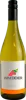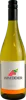
Winery CCMFalesia Verdicchio dei Castelli di Jesi Classico
 wine
wine
This wine generally goes well with
The Falesia Verdicchio dei Castelli di Jesi Classico of the Winery CCM is in the top 0 of wines of Verdicchio dei Castelli di Jesi.

Details and technical informations about Winery CCM's Falesia Verdicchio dei Castelli di Jesi Classico.
Discover the grape variety: Sankt Laurent
Structured and elegant reds with a deep ruby robe, silky tannins and a smooth palate, with signature aromas of red fruits (cherry, sour cherry), black fruits (blackberry), soft spices, undergrowth and balsamic notes. Fine ageing potential, close in profile to Pinot Noir. The star of the great reds of Austria's Burgenland and present in the Czech Republic (Svatovavřinecké). Native Austrian black grape, genetically related to Pinot Noir.
Informations about the Winery CCM
The Winery CCM is one of of the world's greatest estates. It offers 2 wines for sale in the of Verdicchio dei Castelli di Jesi to come and discover on site or to buy online.

The wine region of Verdicchio dei Castelli di Jesi
Marche DOC in central-east around Jesi (Riserva DOCG since 2010), one of Italy's great whites. Signature native Verdicchio (min. 85%): dry structured whites with signature notes of bitter almond, citrus, green apple, fennel, white flowers and a saline mineral touch, taut palate and fine aging potential (10+ years). Style both fresh young and complex at maturity.
The wine region of Marche
Italian star of Verdicchio: exceptional age-worthy whites, straight and mineral with signature notes of green almond, lemon, green apple, dry herbs and a slightly bitter finish. Two DOCGs: Castelli di Jesi (coastal, airy) and Matelica (inland, more concentrated). Mediterranean reds: fleshy Montepulciano in Rosso Conero near Ancona, supple Sangiovese. Also fresh Pecorino and Passerina.
The word of the wine: Bâtonnage
A very old technique that has come back into fashion in modern oenology, which consists of shaking the white wine in the barrels at the end of fermentation, or after fermentation, with a stick or a flail, in order to suspend the fine lees composed of yeasts at the end of their activity. This process is sometimes used for red wines.