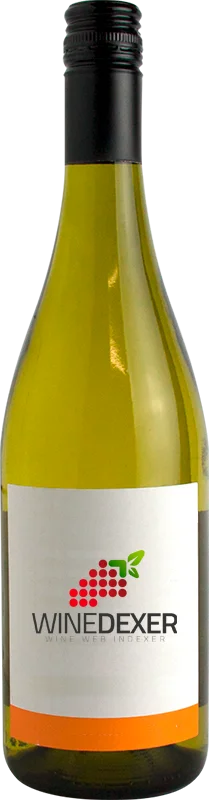
Cave de GenouillyMacon-Villages Blanc
 White wine
This wine generally goes well with vegetarian, cured meat or pasta.
Food and wine pairings with Macon-Villages Blanc
Pairings that work perfectly with Macon-Villages Blanc



Original food and wine pairings with Macon-Villages Blanc
The Macon-Villages Blanc of Cave de Genouilly matches generally quite well with dishes of pasta, vegetarian or cured meat such as recipes of soft and inexpensive pasta gratin, spinach and goat cheese quiche or beef carrots.
Details and technical informations about Cave de Genouilly's Macon-Villages Blanc.
Discover the grape variety: Vidal blanc
An interspecific cross obtained by Jean-Louis Vidal, between Ugni Blanc and 4986 Seibel or Golden Ray, its foliage reminiscent of that of Ugni Blanc. It can be found in the United States and Canada, but is little known in France.
Informations about the Cave de Genouilly
The Cave de Genouilly is one of of the world's great estates. It offers 42 wines for sale in the of Mâcon-Villages to come and discover on site or to buy online.

The wine region of Mâcon-Villages
The wine region of Mâcon-Villages is located in the region of Mâcon of Burgundy of France. Wineries and vineyards like the Domaine J. M. Boillot or the Domaine Guillemot-Michel produce mainly wines white, red and sweet.
The wine region of Burgundy
Bourgogne is the catch-all regional appellation title of the Burgundy wine region in eastern France ("Bourgogne" is the French name for Burgundy). Burgundy has a Complex and comprehensive appellation system; counting Premier Cru and Grand Cru titles, the region has over 700 appellation titles for its wines. Thus, Burgundy wines often come from one Vineyard (or several separate vineyards) without an appellation title specific to the region, Village or even vineyard. A standard Burgundy wine may be made from grapes grown in one or more of Burgundy's 300 communes.
The word of the wine: Passerillage
Concentration of the grape by drying out, under the influence of wind or sun, as opposed to botrytisation, which is the concentration obtained by the development of the "noble rot" for which Botrytis cinerea is responsible. The word is mainly used for sweet wines.