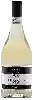
Winery CastelmarcoBianco
 wine
wine
This wine generally goes well with
The Bianco of the Winery Castelmarco is in the top 0 of wines of Castelli Romani.

Details and technical informations about Winery Castelmarco's Bianco.
Discover the grape variety: Sémillon Gris
Structured and aromatic whites with a pale golden to amber colour, a full palate and signature aromas of yellow fruits (peach, apricot), honey, white flowers and candied notes. A singular Bordeaux profile. Extremely rare, preserved for its heritage value, it survives in a few Bordeaux plots and features in confidential artisan blends alongside classic Sémillon. Grey-skinned mutation of Sémillon, the autochthonous Bordeaux variety.
Informations about the Winery Castelmarco
The Winery Castelmarco is one of of the world's great estates. It offers 27 wines for sale in the of Castelli Romani to come and discover on site or to buy online.

The wine region of Castelli Romani
Lazio DOC on the volcanic Colli Albani southeast of Rome (14 hilltop villages). Signature whites (min. 70% Malvasia di Candia, Malvasia del Lazio and Trebbiano): taut and mineral with notes of green apple, citrus, white flowers, almond and volcanic saline touch, fresh thirst-quenching palate — quintessential Roman thirst-quenchers. Soft reds Cesanese, Merlot, Montepulciano and Sangiovese (cherry, plum, herbs).
The wine region of Lazio
Two-millennia Roman vineyard, predominantly white on the volcanic soils of the Castelli Romani. Frascati DOC as figurehead: fresh, accessible whites based on Malvasia and Trebbiano, notes of green apple, white flowers and almond, slightly bitter finish. Also Bellone and Grechetto. Emblematic red: Cesanese del Piglio DOCG, fleshy with notes of ripe cherry, dry herbs and spice, round tannins.
The word of the wine: Harmonious
Balance of the different organoleptic elements of a wine. This harmony is linked to the typicity of each wine. The sweetness of a sweet wine is an element of its balance, whereas a Sancerre or a Chablis will be asked to be lively and dry.