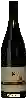
Winery Cascina RadiceCaporala Barbera d'Asti
 Red wine



In the mouth this red wine is a powerful with a nice freshness.
This wine generally goes well with pork, poultry or veal.

Taste structure of the Caporala Barbera d'Asti from the Winery Cascina Radice
Light | Bold | |
Smooth | Tannic | |
Dry | Sweet | |
Soft | Acidic |
In the mouth the Caporala Barbera d'Asti of Winery Cascina Radice in the region of Piedmont is a powerful with a nice freshness.
Wine flavors and olphactive analysis




On the nose the Caporala Barbera d'Asti of Winery Cascina Radice in the region of Piedmont often reveals types of flavors of non oak, microbio or oak and sometimes also flavors of spices, red fruit.
Food and wine pairings with Caporala Barbera d'Asti
Pairings that work perfectly with Caporala Barbera d'Asti



Original food and wine pairings with Caporala Barbera d'Asti


The Caporala Barbera d'Asti of Winery Cascina Radice matches generally quite well with dishes of pasta, veal or pork such as recipes of pho ga (vietnamese chicken soup), vital tone / vitello tonnato (italy) or rabbit with hunter's sauce.
Details and technical informations about Winery Cascina Radice's Caporala Barbera d'Asti.
Discover the grape variety: Goldriesling
Aromatic, lively whites with a pale golden robe, a supple palate and preserved acidity, showing signature aromas of muscat, fresh grape, white flowers (acacia), yellow fruits (peach, apricot) and citrus notes. A charming, drink-young profile. Grown on small surfaces in Germany (Saxony) and Luxembourg for characterful white wines. A German white variety created in 1893 at Colmar by Christian Oberlin (Riesling × Courtillier Musqué).
Last vintages of this wine
The best vintages of Caporala Barbera d'Asti from Winery Cascina Radice are 2018, 2015, 0, 2016
Informations about the Winery Cascina Radice
The Winery Cascina Radice is one of of the world's greatest estates. It offers 21 wines for sale in the of Piedmont to come and discover on site or to buy online.

The wine region of Piedmont
Kingdom of Nebbiolo: Barolo and Barbaresco DOCG, long-ageing reds with firm tannins and lively acidity, complex aromas of withered rose, sour cherry, tar, truffle and undergrowth. More accessible, tangy Barbera on red fruit, supple, crisp Dolcetto. Sweet, floral sparkling Moscato d'Asti, mineral, lemony Gavi (Cortese) white, round, almondy Arneis from Roero. 50,000 ha across the Langhe, Roero and Monferrato, UNESCO.
The word of the wine: Musky
Said of an odor reminiscent of musk.