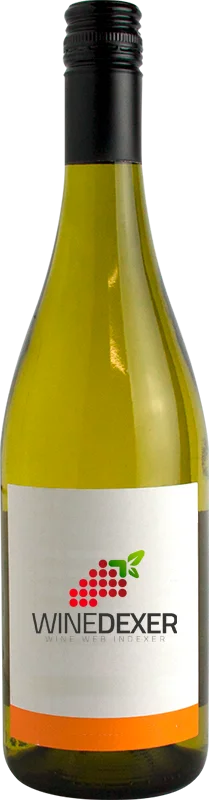
Winery Casale LeoPasserina
 White wine



In the mouth this white wine is a with a nice freshness.
This wine generally goes well with vegetarian, appetizers and snacks or lean fish.

Taste structure of the Passerina from the Winery Casale Leo
Light | Bold | |
Dry | Sweet | |
Soft | Acidic |
In the mouth the Passerina of Winery Casale Leo in the region of Abruzzo is a with a nice freshness.
Food and wine pairings with Passerina
Pairings that work perfectly with Passerina



Original food and wine pairings with Passerina


The Passerina of Winery Casale Leo matches generally quite well with dishes of pasta, vegetarian or appetizers and snacks such as recipes of smoked salmon pasta gratin, light tuna-tomato quiche (without cream) or pizza-style appetizer croissants.
Details and technical informations about Winery Casale Leo's Passerina.
Discover the grape variety: Tintilia
Structured, intensely coloured reds with a deep ruby colour, firm tannins and dense palate, showing signature aromas of black fruits (blackberry, blackcurrant), plum, spices, Mediterranean herbs and balsamic notes. Good ageing potential. Star of the Molise Tintilia DOC, a regional ampelographic revival. Native Italian black variety from Molise, almost extinct and recently rediscovered.
Last vintages of this wine
The best vintages of Passerina from Winery Casale Leo are 2019, 2018, 0
Informations about the Winery Casale Leo
The Winery Casale Leo is one of of the world's greatest estates. It offers 5 wines for sale in the of Abruzzo to come and discover on site or to buy online.

The wine region of Abruzzo
Accessible, identity-driven Italian duo. Montepulciano d'Abruzzo as red: deep colour, intense aromas of black cherry, ripe plum, sweet spices and balsamic notes, round tannins and a gourmet finish, from everyday to age-worthy Riserva. Cerasuolo d'Abruzzo DOCG as a fleshy, fruity rosé (strawberry, pomegranate). Trebbiano d'Abruzzo as a straight white with citrus and white flowers, sublimated by a few cult producers (Valentini).
The word of the wine: Flexible
A tender wine with little tannin.