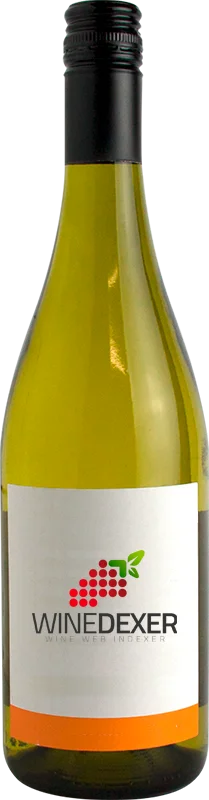
Winery Cape JaffaLa Lune Field Blend
 White wine



This wine generally goes well with

Wine flavors and olphactive analysis

On the nose the La Lune Field Blend of Winery Cape Jaffa in the region of Australie du Sud often reveals types of flavors of tree fruit, tropical fruit.
Details and technical informations about Winery Cape Jaffa's La Lune Field Blend.
Discover the grape variety: Marmajuelo
Structured, aromatic dry whites with a pale golden colour, an ample palate and preserved acidity showing citrus (lemon, grapefruit), white flowers, exotic fruits (pineapple) and saline volcanic notes. Fine Atlantic potential. The star of modern Canarian DOC whites, defining the viticultural identity of Tenerife, this variety was nearly extinct before being rediscovered.
Last vintages of this wine
The best vintages of La Lune Field Blend from Winery Cape Jaffa are 0
Informations about the Winery Cape Jaffa
The Winery Cape Jaffa is one of of the world's great estates. It offers 37 wines for sale in the of Mount Benson to come and discover on site or to buy online.

The wine region of Mount Benson
Sub-region of Limestone Coast north of Robe (South Australia), cooled by the Southern Ocean (~3°C cooler than Coonawarra), terra rossa clay-loam over draining limestone. Cabernet Sauvignon and Shiraz reign (75% of plantings): elegant profile of rich dark fruits, cherry, black pepper and spices, fine persistent tannins, proven cellaring potential. Sauvignon Blanc and Pinot Grigio for fresh whites; Merlot and Petit Verdot for Bordeaux blends.
The wine region of Australie du Sud
Cradle of the great Australian Shiraz: powerful, sun-drenched reds with notes of blackberry, candied plum, pepper, chocolate and eucalyptus, ample tannins and vibrant fruit (Barossa, McLaren Vale). Firm, minty Cabernet Sauvignon on Coonawarra (terra rossa). Dry, lemony Riesling from Clare and Eden Valley, straight and taut. Fresh Sauvignon and Chardonnay from Adelaide Hills.
The word of the wine: R-M (champagne)
Harvesting and handling. It is the artisan winemaker. He elaborates his own champagne, often a monocru representative of the village or the surrounding villages.