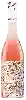
Winery Cantine Della Valtenesi e Della LuganaValtènesi Chiaretto Bio
 Pink wine
This wine generally goes well with

Details and technical informations about Winery Cantine Della Valtenesi e Della Lugana's Valtènesi Chiaretto Bio.
Discover the grape variety: Zinfandel
Generous, high-alcohol reds with a dark robe and indulgent palate, showing aromas of stewed blackberry, raspberry, black pepper, liquorice, cinnamon and cooked fruit. Also vinified as a popular sweet rosé (White Zinfandel). Star of California (Lodi, Sonoma, Dry Creek Valley, Paso Robles) with sought-after century-old vines. Identical to Italian Primitivo and Croatian Crljenak Kaštelanski by DNA analysis.
Informations about the Winery Cantine Della Valtenesi e Della Lugana
The Winery Cantine Della Valtenesi e Della Lugana is one of of the world's great estates. It offers 23 wines for sale in the of Valtenesi to come and discover on site or to buy online.

The wine region of Valtenesi
Lombardy DOC on the south-western shore of Lake Garda (Brescia province), glacial morainic hills less than 2 km from the lake, temperate Mediterranean climate, mild winters and breezy summers. Chiaretto Valtenesi is the signature rosé (≥50% Groppello): pale and floral with strawberry, raspberry, citrus, rose and spiced notes, lively acidity — aperitif of the Garda. Exclusive indigenous Groppello (thin skin) as fresh fruity red. Marzemino, Barbera, Sangiovese and Rebo as complements.
The wine region of Lombardia
Three poles. Franciacorta DOCG, Italy's answer to Champagne: elegant brioche traditional-method sparklers (Chardonnay, Pinot Noir, Pinot Blanc), fine bubble and mineral profile. Alpine Valtellina: Nebbiolo (alias Chiavennasca) with fine tannins and red fruits, powerful Sforzato passito. Oltrepò Pavese: fresh Pinot Noir and fruity-sparkling Bonarda.
The word of the wine: Muscat blanc à petits grains
A white grape variety cultivated since antiquity on the shores of the Mediterranean, it is considered the noblest of the muscats. It is mainly used to make sweet wines, often from mutage. In France, it is the sole variety used in many natural sweet wines: muscat-de-frontignan, muscat-de-mireval, muscat-de-lunel, muscat-de-saint-jean-de-minervois, muscat-de-beaumes-de-venise, muscat-du-cap-corse. Combined with Muscat d'Alexandrie, it gives Muscat-de-Rivesaltes. It is also used to make sparkling white wines (clairette-de-die; moscato d'asti and asti spumante in Italy) and dry wines (alsace-muscat). Powerfully aromatic and complex, its wines evoke fresh grapes, roses, exotic fruits, citrus fruits and spices.