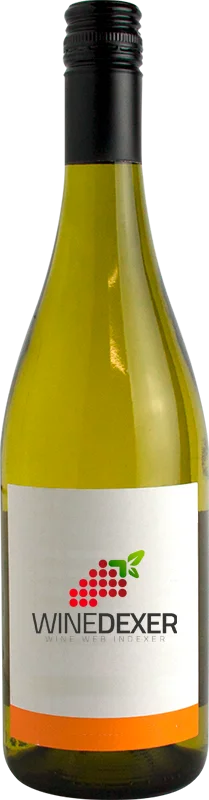
Winery Cantina TonetBranco de Mesa Suave Niagara
 White wine


This wine generally goes well with

Details and technical informations about Winery Cantina Tonet's Branco de Mesa Suave Niagara.
Discover the grape variety: Perle de Csaba
Table grape with medium bunches and golden berries with thin skin and aromatic muscat flesh, with a characteristic sweet aromatic flavour (rose, fresh grape). Very early ripening. Grown for fresh consumption in Hungary, Slovakia and the Czech Republic, marking the early summer season at Central European market stalls with its aromatic early-season table grapes. Hungarian table grape variety obtained in 1904 by Stark Adolf at Csaba (Chasselas × Muscat Ottonel).
Last vintages of this wine
The best vintages of Branco de Mesa Suave Niagara from Winery Cantina Tonet are 0
Informations about the Winery Cantina Tonet
The Winery Cantina Tonet is one of of the world's greatest estates. It offers 29 wines for sale in the of Serra Gaúcha to come and discover on site or to buy online.

The wine region of Serra Gaúcha
Brazil's wine capital, Rio Grande do Sul. Specialty: high-quality traditional-method sparklers, fine and fruity (apple, citrus, white flowers), elegant bubble, alpine expression of the south. Still wines mostly European: round fruity Merlot, firm Cabernet Sauvignon, more tannic Tannat, fresh Chardonnay, supple Riesling Italico, fine Pinot Noir. Marked by Italian immigration in 1875, humid climate tempered by altitude.
The wine region of Rio Grande do Sul
Brazil's winemaking heart (~80% of production), Italian tradition. Recognised specialty: traditional-method sparkling wines (espumantes), fresh and fruity, based on Chardonnay and Pinot Noir, among South America's finest. Accessible reds: supple, fruity Merlot (plum, cherry), fleshy Cabernet Sauvignon, dense, tannic Tannat. Round Chardonnay, light Riesling Italico, sweet, floral Moscato whites.
The word of the wine: Botrytis cinerea
This fungus, also called noble rot, develops during the over-ripening phase and is an ally of great sweet white wines, when it concentrates the juice of the berries. It requires the humidity of morning fogs and beautiful sunny days, gives musts very rich in sugar and brings to the wines the famous taste of "roasted".